
What Is an Automatic Gun and Why It Matters

What Is an Automatic Gun sparks curiosity fast because the term gets tossed around everywhere, yet plenty of people still mix it up with semi-automatic firearms. Movies, video games, and heated online debates have blurred the line so badly that even experienced gun owners sometimes pause and double-check the definition. That confusion creates frustration, especially for anyone trying to understand firearm laws, historical weapons, or mechanical differences without wading through jargon-heavy explanations. Straight talk matters here because the details can completely change how a firearm is classified and regulated.
Automatic guns operate with a firing system that continues cycling rounds as long as the trigger remains pressed and ammunition is available. That simple explanation sounds easy enough, but the mechanics behind it involve recoil systems, gas operation, bolt movement, and timing that all work together in a split second. Small internal components make a massive difference, which is why people often misunderstand what actually separates an automatic firearm from a semi-automatic rifle or pistol. A lot of the confusion starts with appearance rather than function, and honestly, that’s where many conversations go sideways.
Military history, firearm innovation, and legal restrictions all shaped the public perception surrounding automatic weapons. Early machine guns changed battlefield tactics completely, turning slow-moving infantry assaults into deadly risks overnight. Then modern rifles and compact automatic firearms pushed things even further, especially during wartime conflicts that reshaped global weapon development. Those historical shifts still influence firearm discussions today, from collecting vintage models to debating regulations and ownership laws.
Legal definitions add another layer that catches many people off guard. Federal laws in the United States place strict restrictions on civilian ownership of newly manufactured automatic firearms, and the paperwork alone can feel like a maze. Meanwhile, state laws vary wildly, which leaves many people scratching their heads over what’s legal in one place versus another. That uncertainty pushes firearm enthusiasts, collectors, and curious readers to look for clearer explanations that cut through all the noise.
Mechanical design also plays a huge role in why automatic guns remain such a widely discussed topic. Engineers built these firearms for sustained firing capability, which means heat control, durability, and cycling reliability become major priorities. Some firearms excel in controlled bursts, while others struggle with recoil management and ammunition consumption. Those tradeoffs matter because practical performance rarely matches the exaggerated portrayals people see on screen.
Public fascination hasn’t slowed down either. Historical documentaries, military museums, tactical training content, and competitive shooting conversations continue fueling interest in automatic firearms and their role in modern history. Some people focus on the engineering side, while others care more about legal ownership, wartime evolution, or firearm collecting. Either way, What Is an Automatic Gun remains a question tied to curiosity, controversy, and a whole lot of misconceptions that deserve a clearer explanation.
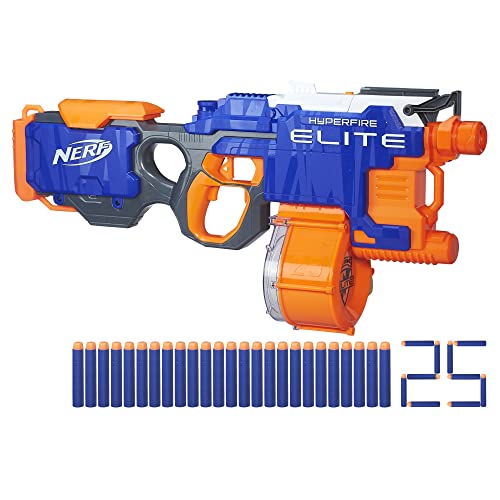
- ARS Mark9.0
ARS Mark is a ranking system developed by bestairriflescopes.com. ARS Mark has no relationship or impact from any manufacturers or sales agent websites. Learn more
- BrandNerf

- ARS Mark8.8
ARS Mark is a ranking system developed by bestairriflescopes.com. ARS Mark has no relationship or impact from any manufacturers or sales agent websites. Learn more
- BrandDaisy
- ARS Mark8.8
ARS Mark is a ranking system developed by bestairriflescopes.com. ARS Mark has no relationship or impact from any manufacturers or sales agent websites. Learn more
- BrandUmarex

- ARS Mark8.6
ARS Mark is a ranking system developed by bestairriflescopes.com. ARS Mark has no relationship or impact from any manufacturers or sales agent websites. Learn more
- BrandUmarex

- ARS Mark8.4
ARS Mark is a ranking system developed by bestairriflescopes.com. ARS Mark has no relationship or impact from any manufacturers or sales agent websites. Learn more
- BrandMESWEND

- ARS Mark7.6
ARS Mark is a ranking system developed by bestairriflescopes.com. ARS Mark has no relationship or impact from any manufacturers or sales agent websites. Learn more
- Brandjoykey

- ARS Mark7.6
ARS Mark is a ranking system developed by bestairriflescopes.com. ARS Mark has no relationship or impact from any manufacturers or sales agent websites. Learn more
- BrandQicoociQ

- ARS Mark7.2
ARS Mark is a ranking system developed by bestairriflescopes.com. ARS Mark has no relationship or impact from any manufacturers or sales agent websites. Learn more
- BrandSitertCF
Last update on 2026-06-10 / Affiliate links / Images, Product Titles, and Product Highlights from Amazon Product Advertising API
What Is An Automatic Gun
Confusion spreads fast once firearm terminology enters casual conversation. One person says “automatic weapon” while talking about a modern sporting rifle, another points at old military machine guns, and suddenly the entire discussion turns into a mess of half-correct assumptions. That gap between appearance and actual function keeps causing problems for collectors, curious readers, and even longtime firearm owners. Somewhere in the middle of all that noise, what is an automatic gun becomes a question tied to mechanical design, federal law, and decades of public misunderstanding.
How Automatic Firearms Actually Work
An automatic gun fires continuously as long as the trigger stays depressed and ammunition remains in the firearm. That single detail separates it from semi-automatic firearms, which fire only one round per trigger pull. Internally, the firearm cycles through extraction, ejection, chambering, and firing at remarkable speed. Trigger operation, bolt cycling, and gas or recoil systems all work together to maintain continuous fire.
Movies usually skip over the mechanical reality because realism doesn’t always look dramatic on screen. Real automatic firearms produce intense recoil, rapid heat buildup, and fast ammunition consumption. A poorly controlled burst can throw accuracy completely off target within seconds. That’s why trained operators often use short, controlled bursts instead of holding the trigger endlessly.
Several systems power automatic firearms depending on their design. Some rely on gas pressure redirected from the fired cartridge, while others depend on recoil energy generated during firing. Each setup changes reliability, maintenance needs, and firing behavior in subtle ways. Mechanical timing matters enormously because even tiny failures inside the firearm can interrupt the entire firing cycle.
People often assume automatic guns simply fire “faster,” but speed alone doesn’t define them. Plenty of semi-automatic firearms can discharge rounds rapidly in practiced hands. The defining factor remains continuous fire with one trigger pull. That distinction sits at the center of both legal classification and public confusion.
Why So Many People Confuse Automatic And Semi Automatic Guns
Visual appearance tricks people constantly. A rifle with detachable magazines, tactical rails, and military styling may look aggressive, yet still operate as a standard semi-automatic firearm. Function matters far more than cosmetics, though public conversation rarely stays focused on mechanics. That disconnect keeps fueling misinformation across media, politics, and online debates.
Video games and action movies play a huge role in shaping assumptions. Characters spray hundreds of rounds with almost no recoil, reload instantly, and somehow maintain pinpoint accuracy while sprinting. Real firearms behave very differently under rapid fire conditions. Recoil management, barrel heat, and ammunition control quickly become serious concerns.
Terminology also muddies the waters. People casually use phrases like “machine gun,” “assault rifle,” and “automatic weapon” interchangeably even though those categories carry specific meanings. That overlap creates headaches for anyone trying to research laws or firearm mechanics accurately. Clear definitions matter because legal classifications depend heavily on exact wording.
Confusion increases further once conversion devices enter the discussion. Certain illegal modifications can alter the firing behavior of some firearms, which adds another layer of misunderstanding. Many people hear about these devices online without realizing how heavily regulated they already are. Explore practical firearm storage habits through how to store ammo to reduce safety risks connected to ammunition handling and long-term firearm care.
Military History Changed Everything
Automatic firearms reshaped warfare faster than many older military leaders expected. Early machine guns transformed battlefield tactics by punishing slow-moving troop formations with devastating firepower. Armies that once relied on cavalry charges and tightly packed infantry suddenly faced weapons capable of firing hundreds of rounds in minutes. Fire rate and sustained suppression changed military planning forever.
The first practical machine guns looked bulky, awkward, and difficult to transport. Crews often needed multiple soldiers to move ammunition, cooling systems, and tripods alongside the firearm itself. Water-cooled barrels helped prevent overheating during prolonged firing sessions. That extra equipment increased reliability but also created logistical headaches during combat movement.
World War conflicts accelerated firearm development dramatically. Designers pushed for lighter automatic rifles, portable submachine guns, and improved squad-level firepower. Soldiers needed weapons that balanced mobility with sustained firing capability. Those battlefield demands eventually influenced many modern rifle platforms still recognized today.
Historical automatic firearms remain deeply fascinating to collectors and museum enthusiasts. Older machine guns reflect engineering priorities from entirely different eras of warfare. Some designs emphasized sheer durability, while others focused on portability or simplified manufacturing. Historical context reveals how military necessity often shaped firearm innovation more than aesthetics ever did.
Federal Laws Surrounding Automatic Guns
Federal firearm law treats automatic weapons far differently than standard semi-automatic firearms. Civilian ownership of newly manufactured automatic firearms has been heavily restricted in the United States since 1986 under federal law. Older transferable machine guns remain legal in certain states, though ownership requires extensive paperwork and approval processes. ATF registration, background checks, and tax stamp requirements all become part of the process.
The paperwork surprises many first-time collectors. Applications can involve fingerprint submissions, federal review periods, photographs, and local legal compliance checks. Approval timelines may stretch for months depending on processing volume. That lengthy process discourages impulsive purchases and adds another barrier to ownership.
State laws complicate matters even more. Some states allow transferable automatic firearms under federal guidelines, while others ban civilian ownership completely. Crossing state lines with certain firearms can also trigger additional legal restrictions. Anyone researching ownership needs accurate local information instead of relying on random internet comments.
Illegal possession penalties remain severe. Unregistered automatic firearms or unauthorized conversion devices can lead to serious federal charges and long-term legal consequences. That’s why experienced firearm owners constantly stress learning the actual law rather than repeating rumors. Legal compliance matters just as much as mechanical knowledge.
Why Automatic Firearms Use So Much Ammunition
New shooters often underestimate just how quickly automatic firearms consume ammunition. A magazine that lasts several minutes during slow semi-automatic target practice might empty in seconds during automatic fire. That rapid consumption affects training costs, range sessions, and practical battlefield logistics. Ammunition management becomes critical almost immediately.
Heat buildup creates another challenge many people never consider. Rapid firing increases barrel temperature extremely fast, especially during sustained bursts. Overheated barrels may reduce accuracy, increase wear, or create dangerous operating conditions. Military machine gun crews historically swapped barrels during combat specifically to manage excessive heat.
Weight also becomes an issue once ammunition supplies scale upward. Carrying enough magazines or belt-fed ammunition for extended automatic firing quickly adds serious physical strain. Soldiers and support crews often balance mobility against available firepower. That tradeoff explains why logistics remain a massive factor in military firearm deployment.
Storage habits matter more than many people realize. Moisture exposure, temperature swings, and careless organization can damage ammunition reliability over time. Compare practical storage methods through ammo storage techniques that help protect cartridges from humidity, corrosion, and accidental contamination.
Recoil Changes The Shooting Experience
Action movies rarely show what sustained recoil actually feels like. Automatic firearms generate repeated force against the shooter’s body at incredibly fast intervals, especially in larger calibers. Maintaining control during prolonged firing takes training, body positioning, and experience. Without proper technique, muzzle climb becomes difficult to manage quickly.
Short-barreled automatic firearms often exaggerate recoil movement because of their compact design and reduced stabilization. Lightweight builds may improve portability but create harsher handling characteristics during rapid fire. Some shooters prefer heavier platforms specifically because additional weight helps reduce movement. Firearm balance directly affects controllability.
Noise levels also surprise first-time observers. Indoor firing ranges become overwhelmingly loud once automatic firearms enter the environment, even with hearing protection in place. Outdoor firing still produces intense sound pressure that nearby shooters immediately notice. That sensory impact changes the entire shooting experience.
Training focuses heavily on controlled bursts rather than endless trigger holds. Professional instruction emphasizes accuracy, ammunition conservation, and target reacquisition between bursts. Random spraying wastes ammunition fast while reducing precision dramatically. Control, discipline, and timing matter far more than sheer firing speed.
Collectors View Automatic Guns Differently
Collectors often see automatic firearms through a completely different lens than casual observers. Historical rarity, manufacturing origin, wartime service history, and mechanical uniqueness all influence collector interest. Some firearms become valuable because of limited production numbers, while others gain attention due to historical military use. Historical preservation drives much of the collector community.
Condition affects value enormously. Original finishes, matching serial components, and intact internal parts can drastically influence pricing within collector markets. Modifications sometimes reduce historical appeal rather than improving it. That reality surprises people who assume cosmetic upgrades always increase value.
Maintenance becomes especially important for vintage automatic firearms. Older components may wear unevenly, replacement parts can become difficult to source, and improper cleaning may damage collectible finishes. Experienced collectors usually prioritize careful preservation over aggressive restoration work. Small details often matter more than flashy appearance.
Interest in military surplus firearms continues growing because many collectors enjoy owning tangible pieces of history. Firearms connected to major wars or iconic military units often carry emotional significance beyond mechanical function alone. Explore beginner-friendly archery equipment through best youth bow for hunting for a completely different perspective on recreational shooting sports and outdoor skill building.
Public Debate Surrounding Automatic Weapons
Few firearm topics spark faster arguments than automatic weapons. Public discussion usually mixes legal concerns, media influence, criminal misuse fears, and historical references all into one chaotic conversation. Facts sometimes disappear beneath emotional reactions and political talking points. That environment makes accurate firearm education harder to find.
Media coverage frequently focuses on visual appearance instead of technical operation. A firearm shown briefly on television may instantly be labeled “automatic” even without confirming its actual firing system. Repeated misuse of terminology reinforces misconceptions over time. Public perception often forms around visuals rather than mechanical facts.
Some people view automatic firearms primarily through military history and engineering interest. Others focus entirely on legal restrictions or criminal misuse concerns. Those perspectives rarely overlap smoothly because each side approaches the topic from different priorities. Productive discussions usually happen only after basic terminology becomes clear first.
Education helps reduce confusion dramatically. Learning how firing systems operate, how laws classify firearms, and why certain restrictions exist creates far more informed conversations. Simplified assumptions rarely survive once mechanical details enter the picture. Knowledge gaps fuel most misunderstandings tied to automatic firearms.
Practical Tips For Maintaining Automatic Firearms
Automatic firearms demand attention that most casual users underestimate. Regular maintenance affects both reliability and safety. Skipping cleaning or neglecting lubrication often leads to malfunctions, increased wear, and potentially dangerous conditions. Proper care extends the lifespan of internal components and keeps the firearm ready when it’s needed most.
Cleaning And Bore Care
Residue from repeated firing accumulates fast, affecting accuracy and mechanical function. Frequent inspection and cleaning of the barrel ensures precision and reduces the risk of jams. Applying high-quality solvent and carefully running a bore brush removes powder and copper fouling efficiently. Explore detailed guidance through how to clean rifle bore for step-by-step procedures and proper tools to protect critical surfaces.
Even minor neglect in barrel care can magnify problems quickly. A sticky bolt or fouled chamber leads to inconsistent firing behavior, making controlled bursts difficult. Prioritizing consistent cleaning routines prevents these issues from accumulating into major performance drops. Small investments in time upfront save headaches during actual usage.
Lubrication complements cleaning by reducing friction between moving parts. Over-oiling can attract dust and debris, while under-lubricating risks excessive wear. Targeted application to key mechanical points balances smooth operation with cleanliness, ensuring firing cycles remain reliable. Understanding the right balance matters more than heavy-handed application.
For collectors, preserving original finishes adds another layer to maintenance. Some cleaners and oils can harm blued or parkerized surfaces if not chosen carefully. Using products designed for both preservation and function maintains value and ensures the firearm continues to operate safely and effectively.
String And Trigger System Care
Even though automatic guns don’t use bowstrings, the principle of proper tension and maintenance applies to trigger systems. Springs, sears, and internal linkages benefit from periodic checks for wear. Maintaining consistent trigger pull ensures control during sustained fire and prevents premature failure of critical components. Small adjustments improve overall shooting performance noticeably.
Misaligned triggers or weakened springs increase the chance of accidental discharge or misfire. Carefully monitoring mechanical wear and replacing parts on schedule reduces these risks. Preventive attention can avoid costly repairs and dangerous situations in high-pressure scenarios. Experienced operators never skip this step.
Simple visual inspections between sessions identify issues before they escalate. Noticing discoloration, unusual movement, or excessive friction signals it’s time to service components. The combination of cleaning, lubrication, and inspection keeps automatic firearms at peak functionality, ready for precise bursts. Routine checks save frustration and preserve safety over time.
Documenting maintenance activities adds value for both functional and collectible firearms. A detailed log of cleaning, parts replaced, and lubrication schedules helps track performance trends and detect potential long-term concerns. This habit is particularly valuable for high-use firearms or vintage models where component wear can be unpredictable.
Storage And Environmental Considerations
Where and how automatic firearms are stored dramatically affects their lifespan. Humidity, temperature fluctuations, and dust all impact internal mechanisms and external finishes. Climate-controlled environments help prevent corrosion, moisture-related malfunctions, and component degradation. Using desiccants or protective cases enhances long-term preservation.
Security is another concern. Automatic firearms are heavily regulated, and proper storage reduces the risk of theft or accidental use. Lockable cabinets, safes, and proper case storage are non-negotiable for legal compliance and safety. Organizing firearms also facilitates faster access and reduces accidental damage during handling.
Long-term storage of ammunition alongside firearms can affect both if conditions aren’t ideal. Heat and moisture can degrade powders and primers, leading to misfires. Employing dedicated storage strategies for ammunition complements firearm preservation. Explore how often to wax crossbow string principles for inspiration on keeping materials protected from environmental stress.
Even in controlled conditions, periodic checks remain essential. Inspecting stored firearms, rotating lubricants, and examining mechanical parts ensures nothing goes unnoticed. Small, consistent efforts dramatically reduce the likelihood of mechanical failure or corrosion over time, safeguarding both function and investment.
Practical Safety Practices During Use
Handling automatic firearms safely demands constant awareness. Accidental discharges often occur due to inattention or improper trigger discipline. Keeping finger off the trigger until ready to fire and using consistent grip techniques prevents mishaps. Safety protocols become more crucial with high-capacity, rapid-fire systems.
Proper positioning and stance reduce both recoil impact and fatigue. Automatic firearms generate repeated force quickly, making control during bursts a priority. Using solid shoulder placement and controlled breathing enhances accuracy while minimizing injury risk. Those practices form the foundation for safe shooting sessions.
Eye and ear protection are mandatory. Sustained automatic fire produces high decibel levels and ejected debris that can harm eyesight and hearing. Quality protection reduces long-term risk and improves focus during shooting. Planning safety measures for every session ensures consistent protection and confidence behind the trigger.
Training with experienced instructors or range officers reinforces safe handling habits. Controlled scenarios and simulated stress testing build muscle memory for trigger control, reloading, and target reacquisition. That investment in practice yields noticeable improvements in both performance and safety awareness.
Common Mechanical Problems And Solutions
Automatic firearms can develop several recurring issues, including misfeeds, jams, and overheating. Each problem has specific causes tied to design, wear, or maintenance lapses. Spotting patterns helps address underlying issues quickly, reducing downtime and frustration. Experienced users learn to recognize warning signs early.
Misfeeds often relate to magazine tension or spring fatigue. Regularly inspecting magazines, cleaning feed lips, and replacing worn springs maintains reliable feeding. Those small interventions prevent larger mechanical failures that could disrupt operation during critical use.
Overheating arises from prolonged firing or insufficient barrel cooling. Allowing adequate rest periods between bursts and using appropriate barrel lubrication minimizes thermal stress. Operators balance sustained fire capability with heat management to maintain accuracy and component longevity.
Sticking or slow-moving bolts frequently stem from residual residue or inadequate lubrication. Targeted cleaning and precise oil application restore smooth operation. Attention to these mechanical factors ensures consistent cycling and reduces the likelihood of jamming under pressure.
Modern Adaptations And Tactical Considerations
Modern automatic firearms integrate optics, modular components, and adjustable stocks to improve usability. These features enhance precision, adaptability, and shooter comfort. Tactical rails allow attachments like lasers or lights without altering core function. Ergonomic design continues to evolve alongside mechanical reliability.
Weight distribution and compact design impact both portability and control. Adjustable stocks and foregrips help shooters manage recoil and maintain accuracy during extended sessions. Those small mechanical tweaks significantly influence practical performance. Ergonomic engineering matters as much as raw firepower.
Environmental adaptability has improved, with corrosion-resistant coatings and dust-proof seals. Users can operate firearms reliably across climates without worrying about component degradation. That durability supports consistent function during both training and recreational shooting. Resilience remains a key factor in firearm selection.
Some automatic firearms include modular trigger systems for fine-tuning pull weight or reset length. These modifications refine control, supporting target reacquisition and rapid burst accuracy. Adjustments emphasize user preference and operational demands, making customization a significant advantage for both new and experienced shooters.
Collector And Historical Insights
Collectors value automatic firearms for their historical significance as well as mechanical ingenuity. Early models often reflect design priorities tied to specific conflicts or manufacturing limitations. Rare models or wartime production runs fetch higher attention due to scarcity. Historical relevance often drives interest as much as function.
Maintaining authenticity is critical for collectors. Replacement parts, modifications, or refinishing can affect value. Accurate documentation of provenance, usage, and maintenance preserves both monetary and educational value. That discipline ensures firearms retain their historical and mechanical integrity over decades.
Collectors also appreciate mechanical uniqueness. Variations in gas systems, bolt design, and trigger mechanisms highlight engineering creativity. Learning about those details provides both operational knowledge and cultural context. Technical distinction often distinguishes highly prized firearms from ordinary examples.
Participating in museum exhibitions, historical reenactments, or curated collections promotes a deeper understanding of automatic firearms’ impact on military and civilian history. Sharing knowledge through responsible channels strengthens appreciation for both engineering excellence and regulatory compliance in contemporary settings.


12 Best 22 Pcp Air Rifle For Hunting of 2026 With Quiet Power

7 Best 22 Pcp Air Rifle Under 300 of 2026 For Backyard Pest Control

10 Best 22 Break Barrel Air Rifles of 2026 For Backyard Pest Control

10 Best 30 Caliber Pcp Air Rifle of 2026 For Medium Game

Top Best 177 Air Rifle Under 100: Budget-Friendly Picks for 2026

How to Safely Reload Shotgun Shells at Home

11 Best Co2 Air Rifle For Pest Control of 2026 To Ensure Humane Dispatch

12 Best Inexpensive Air Rifles of 2026 For Dependable Backyard Accuracy






