Bestairriflescopes.com is reader-supported. When you buy through links on our site, we may earn an affiliate commission. Learn more

Best Beginner Duck Hunting Shotgun 2026 Guide

A best beginner duck hunting shotgun should feel controlled before it feels powerful. Cold fingers, bulky jackets, muddy footing, and birds crossing at awkward angles already create enough trouble, so an uncomfortable stock or harsh kick can spoil the rhythm fast. A sensible first setup favors proper fit, predictable controls, and a weight that steadies the swing without becoming a chore during a long walk. Bigger numbers on a product label won't repair poor mounting habits or make rushed shots cleaner.

Recoil management deserves serious attention because repeated discomfort often leads to flinching, cheek lifting, and sloppy follow-through. A gas-operated action may soften the felt push compared with many fixed-breech designs, though it usually asks for more careful cleaning after exposure to moisture, powder residue, and marsh debris. A pump action tends to be mechanically straightforward and budget friendly, but operating it smoothly between shots takes practice. Neither system is automatically right, and both can become frustrating when the stock dimensions don't match the shooter's natural stance.

Fit shows up in small details. The trigger should be reachable without stretching, the safety should be easy to operate deliberately, and the rib should align naturally when the gun reaches the shoulder. A stock that's too long can snag on a heavy coat, while one that's too short may feel cramped and increase perceived kick. Length of pull, balance, grip shape, and comb height matter more than decorative finishes or oversized controls that look impressive in photos.

Duck marshes are rough on equipment, plain and simple. Rain, brackish water, wet vegetation, and sudden temperature changes can encourage rust if metal surfaces aren't dried and protected after the hunt. A practical finish and a stock that tolerates moisture can reduce maintenance anxiety, though no shotgun is truly maintenance-free. Corrosion resistance helps, but careful unloading, inspection, drying, and storage still do the heavy lifting.

Gauge and chamber markings shouldn't become a contest. Many beginners appreciate a common gauge because suitable practice loads and field ammunition are widely available, but manageable recoil and lawful ammunition selection matter far more than chasing the heaviest shell. Waterfowl regulations commonly require approved non-toxic shot, and local rules can differ, so current wildlife-agency guidance should be checked before buying or carrying ammunition. Pattern testing with legal loads also reveals how the barrel, choke, and shell combination actually distributes pellets at realistic distances.

A first duck gun won't replace instruction, safe handling, or honest limits. Formal hunter education, supervised range practice, and repeated work with an unloaded firearm help build muzzle awareness, loading discipline, and confident safety operation. The most useful setup is one that encourages calm repetition rather than bravado. It should also remain secured from unauthorized access, transported according to local law, and handled only by someone legally permitted and properly trained.
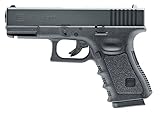
 

Glock 19 Gen3 .177 BB Air Pistol

A product can wear familiar markings and still belong in a completely different lane from the tool someone originally had in mind. The Glock 19 Gen3 .177 BB Air Pistol is a compact CO2-powered airgun built for recreational steel-BB shooting, not a best beginner duck hunting shotgun and not a substitute for one. That distinction matters because its .177 caliber format, fixed sights, and 15-shot capacity support casual target practice rather than lawful waterfowl hunting. Judged on its actual purpose, though, the design offers a straightforward way to practice basic sight alignment and controlled trigger work in an appropriate setting.

Glock 19 Gen3 BB Pistol

The product’s biggest draw is its simple operating concept. A single 12-gram CO2 cartridge powers the pistol, while a 15-shot magazine holds .177 caliber steel BBs for repeated target sessions without loading one projectile after every shot. CO2 isn’t included, so the first usable setup requires cartridges and compatible steel BBs in addition to the pistol itself. That extra purchase isn’t unusual for this category, but it’s easy to overlook while comparing the box contents.

Velocity is listed at up to 410 FPS, a figure that places this model firmly in recreational air-pistol territory. Actual speed can vary with cartridge temperature, firing pace, seal condition, and ammunition consistency, so the stated maximum shouldn’t be treated as a guaranteed result for every shot. Cold weather can be especially hard on CO2 performance, which makes rapid shooting less consistent during chilly outdoor sessions. A measured pace usually suits the platform better than emptying the magazine as fast as possible.

The officially licensed Glock markings give the exterior a recognizable look without changing the pistol’s intended role. Fixed Glock-style sights keep the aiming system uncluttered, and there are no adjustable rear-sight controls to fuss with before a casual practice session. That simplicity can feel refreshingly direct, though it also limits fine correction if the point of impact doesn’t line up exactly with the sight picture at a preferred distance. Fixed sights favor consistency in technique rather than mechanical tuning.

Handling And Practice Value

Compact proportions can make this air pistol easier to manage on a controlled range than a long gun, particularly during short sessions focused on stance, grip pressure, and sight alignment. The familiar Glock-inspired shape may also make the controls and grip angle feel less foreign to someone already accustomed to that general profile. Still, an air pistol doesn’t duplicate the recoil, report, cycling behavior, or handling demands of a shotgun. Training value exists, but it stays narrow and should be understood as basic airgun practice rather than direct duck-hunting preparation.

The 15-shot setup encourages repetition, which is useful because small technique errors become obvious across several targets. A shooter can slow down, watch the front sight, and see whether shots drift from inconsistent grip or rushed trigger movement. That kind of deliberate repetition has more value than chasing raw firing speed. Controlled pacing also helps the CO2 system recover between shots, reducing some of the performance drop associated with rapid strings.

Grip comfort will depend on hand size, and that’s one place where compactness cuts both ways. Smaller hands may appreciate the reduced dimensions, while larger hands could feel crowded around the lower portion of the grip. The fixed control layout doesn’t offer interchangeable backstraps or broad fit adjustment based on the information provided. Hand fit therefore deserves attention before assuming the Glock-inspired shape will feel natural to everyone.

Accessory Rail And Sight Setup

An integrated Weaver rail sits beneath the barrel area for compatible accessories. That opens the door to a small light or other properly fitting rail-mounted item, though extra weight can change the balance of a compact air pistol more than expected. Accessories should also stay proportionate to the platform rather than turning a simple practice pistol into a bulky project. The rail is useful, but it isn’t necessary for enjoying the basic fixed-sight setup.

The Glock-style sights are designed around a familiar, uncomplicated sight picture. Since the sights are fixed, success depends on using the same head position, grip pressure, and trigger press from shot to shot. Tiny changes matter more with a short sight radius, especially once the target moves farther away. Consistent alignment becomes the real adjustment mechanism because the hardware itself offers little room for correction.

Accessory compatibility can be trickier than the phrase “Weaver rail” makes it sound. Rail-mounted products vary in clamp size, body length, and clearance, and a compact frame leaves less room for oversized hardware. A poorly matched accessory may interfere with handling or sit awkwardly against the trigger guard area. Fit confirmation matters more than simply choosing an accessory labeled for a rail.

CO2 Use And Ongoing Maintenance

CO2 power keeps the shooting process convenient, but it adds recurring cost and a little routine care. Cartridges must be installed correctly, seals need protection from dirt and damage, and an exhausted cartridge should not be mistaken for a mechanical failure. The pistol may feel lively at the start of a fresh cartridge and gradually soften as pressure drops. Pressure consistency is one of the main tradeoffs of this power source.

Temperature has a noticeable influence on CO2 behavior. Warm conditions generally support steadier gas pressure, while colder air can reduce shot strength and shorten the useful portion of a cartridge. Fast strings can cool the cartridge further, creating another dip in performance even when gas remains. Moderate firing intervals help the platform behave more predictably.

Basic maintenance should stay simple and restrained. Steel BBs can collect dust or residue, the magazine area can attract debris, and the exterior should be wiped down after handling. Lubrication should follow the manufacturer’s instructions because the wrong oil can damage seals or contaminate internal parts. Clean loading habits often prevent more trouble than aggressive disassembly.

Where The Product Fits And Where It Does Not

This model makes the most sense as a recreational BB pistol for paper targets, reactive airgun targets, and disciplined handling practice in a safe environment. Its compact size, licensed appearance, and repeat-shot magazine give it a clear identity without pretending to be a competition air pistol. The design is approachable, though it still demands eye protection, a dependable backstop, and strict muzzle awareness. Responsible use matters just as much with a BB pistol because steel projectiles can ricochet and cause serious injury.

Its biggest limitation is also the most important point in this review: it doesn’t match the supplied keyword’s intended task. A .177 caliber CO2 pistol is not designed for duck hunting, lacks the function of a shotgun, and should never be presented as a hunting replacement. Waterfowl hunting involves specific firearms, approved ammunition, licensing, seasonal rules, and training requirements that sit far outside this product’s stated capabilities. Purpose mismatch isn’t a minor drawback here; it defines the boundary of responsible use.

The linked topic belongs to another branch of airgun selection rather than waterfowl equipment. For readers sorting through pest-management airgun categories, a neutral reference appears in air rifles for pest control, where rifle format, energy, accuracy, local law, and humane-use considerations require separate evaluation. That connection is informational rather than a reason to treat this compact BB pistol as suitable for pest control. Platform differences matter because a recreational steel-BB pistol and a purpose-selected air rifle solve very different problems.

Strengths, Weaknesses, And Realistic Expectations

The strongest features are easy to identify from the supplied specifications. A 15-shot capacity supports efficient target practice, the licensed Glock styling gives the pistol a recognizable appearance, and the Weaver rail adds modest accessory flexibility. Fixed sights reduce setup fuss, while CO2 power avoids manual pumping between shots. Those strengths favor convenience and familiarity rather than advanced adjustment.

The weaknesses are equally plain. CO2 cartridges add ongoing expense, cold conditions may reduce consistency, and fixed sights offer limited correction. Steel BBs also demand a carefully chosen backstop because ricochets are a real concern around hard surfaces. Limited adjustability means the pistol is better suited to casual practice than precision-focused tuning.

Expectations should stay grounded in the stated design. Up to 410 FPS describes potential velocity, not hunting power, and the Glock markings describe licensed styling rather than firearm-equivalent performance. The pistol can support deliberate target sessions, safe handling routines, and repeated sight-picture practice within its intended category. Clear role definition is what keeps the product useful, honest, and easier to evaluate without forcing it into a job it was never built to perform.

Glock 19 Gen 5 MOS .177 BB Pistol

A compact air pistol can look familiar at first glance, yet its practical role may be far narrower than the styling suggests. The Glock 19 Gen 5 MOS .177 BB Pistol is a CO2-powered recreational airgun, not a best beginner duck hunting shotgun and not a lawful stand-in for one. Its .177 caliber steel-BB format, 17-shot magazine, and listed velocity of up to 330 FPS belong to target practice and controlled airgun use. That mismatch needs to stay front and center, because the product should be judged by what it actually does rather than by a hunting keyword it cannot reasonably satisfy.

Glock 19 Gen 5 MOS BB Pistol

The standout feature is the MOS mounting system, which gives this air pistol more sighting flexibility than a basic fixed-slide replica. Four optics plates are included, and the supplied description states that they support nearly any micro pistol optic on the market. That broad compatibility can make the pistol easier to tailor for recreational target work, especially for someone who prefers a dot over traditional irons. Still, optic fit should be checked carefully because footprint standards, screw lengths, and plate alignment can vary from one model to another.

The Gen 5-inspired exterior adds recognizable styling without changing the pistol’s actual performance category. Familiar lines, an accessory rail, and the MOS cut make the design feel more modern than a plain BB pistol, though those details shouldn’t be confused with firearm-equivalent function. Licensed-style ergonomics may help with grip familiarity and sight presentation, but recoil, cycling behavior, noise, and ballistic performance remain distinctly airgun-based. That’s a strength for lower-intensity target practice, yet a weakness for anyone expecting direct shotgun preparation.

A 17-BB capacity gives the magazine a practical edge during short practice sessions. More shots between reloads means less interruption while working on trigger control, sight alignment, and steady pacing. The drop-free magazine also houses the CO2 cartridge, keeping the gas source and ammunition system together in one removable unit. Spare magazine part number 2255231 is listed as compatible, which may help reduce downtime, though no extra magazine is stated as included.

MOS Optics Flexibility

Four included optics plates make the MOS setup the clearest advantage in the package. Instead of locking the pistol into one footprint, the system offers room to use a wider range of micro red dots, provided the chosen optic and screws match the plate correctly. Optic compatibility is valuable because a clean dot can simplify aiming for paper targets and reactive airgun targets at sensible distances. The tradeoff is added setup work, since plate choice, screw tension, and zeroing still need careful attention.

A mounted optic changes the way the pistol balances. Even a small red dot adds weight above the slide, and that can make the front-to-back feel different from the bare configuration. Some shooters may appreciate the clearer aiming reference, while others may prefer the lower profile and simplicity of the standard sight line. Balance and sight height deserve consideration before assuming an optic automatically improves the experience.

Battery life, optic durability, and zero retention depend on the optic itself rather than the BB pistol. The four plates increase mounting possibilities, but they don’t guarantee that every inexpensive sight will hold its setting or sit at the correct height. A poorly fitted optic can loosen, shift, or create an awkward sight picture. Mounting quality matters every bit as much as the presence of the MOS cut.

The included plates also make the pistol more adaptable over time. Someone can begin with open sights and later add a micro optic without replacing the entire airgun. That flexibility is useful, but it can also tempt buyers into spending more on accessories than on pellets, CO2, targets, and proper backstop materials. Accessory value is strongest when it supports deliberate practice rather than decoration.

Magazine And CO2 Operation

The magazine holds 17 steel BBs, giving the pistol a decent practice rhythm without constant reloading. A drop-free design can make magazine changes quicker and more natural, but it also means the magazine should be handled carefully because it contains the CO2 cartridge and part of the operating system. Dropping it onto concrete could damage seals, feed components, or the exterior. Magazine care matters more here than it would with a simple plastic BB stick.

A single 12-gram CO2 cartridge powers the pistol, and the cartridge is installed inside the magazine. CO2 is not included, so the initial setup requires compatible cartridges and steel BBs before the pistol can be used. The supplied description recommends Umarex-brand CO2 for proper sealing and performance, which suggests seal fit and cartridge consistency are worth paying attention to. Gas quality and installation can influence reliability, especially if the piercing seal isn’t seated correctly.

CO2 systems have a few quirks that aren’t obvious until use begins. Cold temperatures can reduce pressure, rapid strings can cool the cartridge, and shot strength may gradually fall as the cartridge empties. The listed maximum of 330 FPS should therefore be treated as a peak specification rather than a promise for every shot. Moderate pacing usually produces steadier behavior than rushing through all 17 BBs.

Leaving a partly used cartridge installed for long periods may not be ideal for seals, though exact storage guidance should follow the manufacturer’s instructions. Light maintenance around the magazine and piercing area can help prevent dirt from interfering with the seal. Over-lubrication is no better than neglect, since the wrong product can damage internal materials. Simple, correct maintenance beats improvised fixes.

Accessory Rail And Setup Options

The integrated accessory rail gives the pistol room for a compatible light or another properly sized rail-mounted device. That can be handy for structured indoor-range drills or low-light target setups where illumination is allowed and safe. The rail also makes the pistol feel less limited than a bare-bones replica. Accessory flexibility is a real plus, though oversized equipment can make a compact frame feel clumsy.

Rail dimensions and clamp designs aren’t always as universal as product descriptions make them sound. Some accessories may sit too close to the trigger guard, extend beyond the muzzle area, or require more clearance than the compact frame provides. A secure fit should be confirmed before use because loose hardware can shift under repeated handling. Proper fitment matters more than adding the biggest or brightest accessory available.

A related equipment category appears in laser sights for Sig P320, though that reference concerns a different platform and should not be treated as a direct compatibility guide for this BB pistol. Rail systems, frame dimensions, and mounting tolerances can vary significantly across replicas and firearms. Platform differences make assumption-based accessory purchases risky. The neutral takeaway is simple: compatibility must be verified for the exact airgun rather than inferred from a similar-looking pistol.

Adding both an optic and a rail accessory can quickly change the handling character. The pistol may become heavier, taller, and less convenient to store in a basic case. That setup can still make sense for specific range exercises, but it moves away from the compact simplicity that makes a BB pistol appealing in the first place. Setup discipline keeps the accessory list from becoming a burden.

Pros Of The Gen 5 MOS Design

The biggest strength is customization without major modification. Four optics plates, an integrated rail, and a removable 17-shot magazine give the pistol more configuration options than a simple fixed-sight BB gun. MOS adaptability makes it easier to use the same airgun for basic iron-sight practice one day and optic-based target work the next. That flexibility is useful for variety, provided expectations stay grounded.

The magazine capacity is another practical advantage. Seventeen BBs support repeated drills without breaking concentration every few shots, and the drop-free format makes reloads feel cleaner. Housing the CO2 cartridge inside the magazine also keeps the grip area organized. Efficient session flow is where this design earns much of its appeal.

The listed 330 FPS velocity is moderate rather than excessive. That can suit close-range paper targets and suitable reactive airgun targets in a controlled environment with a dependable backstop. Lower velocity doesn’t remove the need for safety glasses or careful ricochet control, especially with steel BBs. Manageable power is helpful, but safe setup remains non-negotiable.

Cons And Practical Limitations

The most serious limitation is the product-category mismatch. This is not a shotgun, not a duck-hunting firearm, and not a substitute for waterfowl equipment. The best beginner duck hunting shotgun must be selected around legal gauge, fit, recoil, action type, approved ammunition, and current hunting regulations, none of which are addressed by this BB pistol. Treating the two categories as interchangeable would be inaccurate and unsafe.

CO2 creates recurring cost and temperature sensitivity. Cartridges must be purchased, installed correctly, and replaced as pressure falls, while cold weather may reduce consistency. The recommendation for a specific CO2 brand also hints that not every cartridge may seal or perform identically. Ongoing consumable expense is easy to underestimate over many practice sessions.

The MOS system adds capability, but it can also add complexity. Plate selection, optic fit, screw compatibility, and zeroing all introduce variables that don’t exist with a fixed-sight pistol. An optic may loosen or sit awkwardly if the setup isn’t matched carefully. More flexibility means more setup responsibility, and that won’t appeal to someone who wants a simple load-and-shoot airgun.

Steel BBs carry a ricochet concern that deserves plain language. Hard targets, metal surfaces, concrete walls, and inadequate backstops can send projectiles back toward the firing line. Safe use requires eye protection, controlled muzzle direction, and a backstop designed for steel BBs. Ricochet management is one of the less glamorous but most important parts of owning this kind of air pistol.

Realistic Use And Fit

This pistol fits best as a configurable recreational airgun for deliberate target practice. Its 17-shot capacity, Gen 5 styling, MOS plates, and rail give it enough variety to keep sessions from feeling repetitive. Practice flexibility is the main benefit, especially for sight alignment and controlled trigger work. It should remain inside the limits of safe, lawful airgun use rather than being pushed into hunting roles it cannot fill.

Someone seeking a simple first BB pistol may find the MOS hardware more elaborate than necessary. A fixed-sight model could be cheaper and easier to manage, while this version makes more sense for a person who genuinely plans to mount a micro optic. The accessory rail adds another layer of choice, but not everyone needs lights, lasers, or extra hardware. Best fit depends on intended setup, not on how many attachment points the pistol offers.

Storage and transport deserve the same care given to any realistic-looking airgun. Official markings and firearm-like proportions can cause confusion if the pistol is handled in public or stored carelessly. Secure storage, clear separation from real firearms, and compliance with local law reduce that risk. Responsible handling is part of the ownership experience, not an optional extra.

The strongest case for this model comes from its adaptable sighting system and magazine design. The weakest case appears when the product is evaluated against duck hunting, defensive use, or firearm-level training expectations. Honest role definition keeps the review balanced: a customizable CO2 BB pistol with useful range features, but firm limits that should never be blurred.

Glock 19X Gen5 .177 BB Air Pistol

A realistic-looking air pistol can create the wrong expectation before the first BB ever leaves the barrel. The Glock 19X Gen5 .177 BB Air Pistol brings a full metal slide, blowback movement, semi-auto operation, and an 18-round magazine, yet it has nothing to do with choosing the best beginner duck hunting shotgun. This is a recreational .177 BB pistol built around handling feel and repeated target practice, not waterfowl hunting, shotgun recoil management, or field use in a marsh. That distinction isn’t a footnote; it’s the line that keeps the product judged honestly.

Glock 19X Gen5 Blowback BB Pistol

The blowback action is the feature that gives this model most of its personality. Each shot cycles the full metal slide, adding visible movement and a bit of mechanical feedback that fixed-slide BB pistols don’t provide. That motion can make casual target sessions feel more engaging, particularly during slow drills centered on sight alignment and trigger control. The tradeoff is straightforward: blowback generally uses some of the available gas to move the slide instead of sending every bit of energy toward the BB.

A full metal slide adds weight above the grip and gives the pistol a more substantial feel in the hand. The extra mass may help the replica feel less toy-like, though it also shifts the balance compared with lighter polymer-slide airguns. Some people enjoy that solid top-heavy sensation, while others may find it tiring during longer sessions. The metal construction improves tactile realism, but it doesn’t turn the pistol into a firearm or give it firearm-level performance.

Semi-auto operation keeps the rhythm simple. After the magazine is loaded and the power source is prepared, each trigger press sends another BB without manually cocking the pistol between shots. That makes the model better suited to repeated paper-target drills than single-shot air pistols that interrupt the flow after every round. Fast follow-up capability is convenient, though rushing through the magazine can reduce consistency and encourage sloppy trigger habits.

Magazine Capacity And Reloading

The 18-round drop-free magazine is generous for a compact BB pistol. Eighteen shots allow several short practice strings before reloading, which helps maintain focus during basic drills. A removable magazine also makes the loading process feel more organized than designs that use a fixed internal BB reservoir. Still, dropping a loaded magazine onto concrete is a bad habit because feed components and seals can take the hit.

Drop-free operation adds realism to magazine changes, but it also demands a little care. The magazine is part of the working system, not just an empty shell holding BBs. Dirt, dents, or rough handling can affect feeding, alignment, or gas sealing, depending on the internal layout. Magazine protection becomes one of the practical ownership habits that doesn’t show up in flashy product photos.

Eighteen rounds can disappear quickly under semi-auto fire. That sounds obvious, yet rapid shooting often turns a useful target session into a noisy exercise with little attention paid to fundamentals. Slower strings make it easier to watch the sights, manage the trigger, and notice changes in shot behavior. Deliberate pacing gets more value from the magazine than simply emptying it as fast as possible.

Reloading steel BBs can also become fiddly if the loading port is small or spring tension is strong, though no detailed loading mechanism was provided. That uncertainty deserves a realistic note rather than a made-up claim about ease or difficulty. The stated capacity is clear, but the exact loading feel may depend on the magazine design. Capacity is a strength, while loading convenience remains something the supplied information doesn’t fully answer.

Blowback Feel And Practical Tradeoffs

Blowback gives the pistol movement, sound, and a livelier shooting cycle. The slide action can help reinforce the habit of maintaining grip pressure through the shot instead of relaxing as soon as the trigger breaks. It also creates a more animated experience than a fixed-slide CO2 pistol. Mechanical feedback is the appeal, not extra hunting capability or greater BB power.

The moving slide introduces more internal activity, and that usually means more parts participating in every shot. More movement can bring more wear over time than a simpler non-blowback design, especially if the pistol is neglected or handled roughly. No durability figures were supplied, so assigning a service life would be guesswork. Complexity is the price paid for a more realistic cycle.

Gas efficiency may also be less generous than on a non-blowback model because the slide needs energy to move. Exact shot count per cartridge wasn’t provided, so there’s no honest basis for stating how many magazines one power source will support. Temperature, firing speed, seal condition, and cartridge quality can all affect the result. Realism and efficiency tend to pull in opposite directions on this kind of platform.

The full metal slide adds momentum to the cycle, which may make the action feel more noticeable. That can be enjoyable, but it won’t reproduce firearm recoil or prepare someone for shotgun recoil in any meaningful way. A duck-hunting shotgun demands a completely different mount, stance, swing, and follow-through. Training transfer is limited to general habits such as safe handling, sight focus, and controlled trigger movement.

Handling And Range Use

The pistol’s semi-auto layout suits paper targets and BB-rated reactive targets in a controlled setting. A dependable backstop matters because steel BBs can rebound from hard surfaces, metal plates, concrete, and poorly chosen target traps. Eye protection should stay on everyone near the firing area, not just the person holding the pistol. Ricochet control is one of the most important practical details with steel BB ammunition.

Grip feel is likely one of the reasons someone would choose the 19X-inspired shape, though the supplied details don’t include dimensions, texture, or backstrap options. That means hand fit shouldn’t be treated as universally comfortable. Larger hands may appreciate the fuller frame profile, while smaller hands could feel stretched around the grip. Ergonomics remain personal, even when the exterior follows a recognizable design.

The fixed relationship between sights, grip angle, and trigger reach shapes the whole shooting experience. A comfortable stance and repeatable presentation can make a basic BB pistol feel satisfying even without advanced adjustments. Poor fit does the opposite, producing wrist tension and inconsistent sight alignment. Natural pointing behavior matters more than the logo stamped on the slide.

The realistic black finish and full metal slide also create a responsibility that shouldn’t be brushed aside. A replica-style air pistol can be mistaken for a firearm from a distance, especially in public or under poor lighting. Secure storage and discreet transport are part of sensible ownership. Appearance increases handling responsibility, even though the pistol fires .177 BBs.

Pros Of The Glock 19X BB Pistol

The strongest advantage is the combination of blowback action and a full metal slide. That pairing gives the pistol more movement and physical presence than a basic plastic fixed-slide model. The shooting cycle feels active rather than flat, which can make target sessions more enjoyable without relying on exaggerated performance claims. For someone interested in replica-style handling, that’s the central appeal.

The 18-round magazine is another practical plus. More capacity means fewer interruptions during controlled practice, especially across several short drills. Drop-free removal also makes magazine changes cleaner and easier to organize. The benefit is convenience, not a reason to shoot carelessly or rush the trigger.

Semi-auto operation keeps the learning curve straightforward. There’s no need to manually cock the action before every shot, so attention can stay on grip, sight picture, and trigger press. That simplicity pairs well with the blowback design because the action handles the cycling after each shot. Repeat-shot flow is where the pistol feels most coherent.

The model also has a clearer personality than many generic BB pistols. Metal slide weight, recognizable styling, and visible blowback separate it from low-cost fixed-slide designs that focus only on basic function. That doesn’t make it appropriate for every situation, but it does make its purpose easy to understand. Replica realism is the benefit buyers are really paying for.

Cons And Limits To Keep In View

The largest weakness is the complete mismatch with the supplied hunting keyword. This pistol isn’t a shotgun, can’t use waterfowl loads, and doesn’t support the fit, swing, choke, or legal ammunition questions involved in choosing the best beginner duck hunting shotgun. Presenting it as a duck-hunting tool would be inaccurate and unsafe. Category mismatch is not a small drawback here; it defines what the product cannot do.

Blowback likely costs some gas efficiency compared with a simpler design, although no cartridge count was provided. The moving slide may also require more maintenance attention over time because more parts are involved in each cycle. A fixed-slide air pistol could be a better fit for someone who values efficiency and simplicity over realistic movement. Added realism brings added complexity.

The full metal slide adds weight, and that won’t suit every hand or every practice style. Short sessions may feel satisfyingly solid, while extended use could become tiring for someone who prefers a lighter pistol. The top-heavy balance may also affect how quickly the muzzle settles between shots. Weight is both strength and weakness, depending on what the shooter expects.

Steel BB ammunition creates a ricochet risk that soft projectiles don’t share to the same degree. A poorly chosen backstop can send BBs back toward the firing line or damage nearby surfaces. Safe use demands more than simply having open space. Target selection and backstop design matter every time the pistol is loaded.

Accessory Reference And Platform Differences

Optics and aiming accessories often come up around replica-style pistols, though the supplied product details don’t mention an integrated mounting system or accessory rail. A neutral reference appears in red dot sights for airsoft pistols, but that topic covers a different product category and doesn’t confirm compatibility with this BB pistol. Mounting standards, slide movement, rail dimensions, and recoil behavior can differ across airsoft, BB, and firearm platforms. Compatibility must be exact, not assumed from a similar silhouette.

A blowback slide also complicates accessory choices because anything mounted directly to moving components may add mass or interfere with cycling. No mounting interface was listed here, so claims about optic readiness would be speculation. The safest interpretation is that this model should be evaluated as supplied, with its stated slide, action, and magazine features. Unlisted compatibility shouldn’t be invented to make the product sound more adaptable.

External accessories can change balance even when they fit correctly. Added weight near the muzzle or above the slide may alter presentation speed and sight stability. Some setups feel steadier, while others become clumsy and awkward. More equipment doesn’t automatically improve control.

The product’s real strengths are already present without extras. Blowback movement, metal slide construction, semi-auto cycling, and an 18-round magazine create a complete recreational package on their own. Those features make sense for controlled BB target practice and replica handling interest. Realistic expectations keep the pistol useful without forcing it into duck hunting, defensive use, or firearm training claims it cannot support.

Smith & Wesson M&P 40 .177 BB Air Pistol

A familiar shape can make an air pistol feel approachable, but appearance alone doesn’t tell the whole story. The Smith & Wesson M&P 40 .177 BB Air Pistol is a CO2-powered repeater built for steel-BB target use, not a best beginner duck hunting shotgun and not a substitute for one. Its 19-shot magazine, fiber optic sights, and listed velocity of up to 410 FPS fit backyard plinking and basic handling practice rather than waterfowl hunting. That gap matters, because the product makes more sense once it’s judged as a compact recreational airgun instead of being pushed into a role it was never designed to fill.

Smith & Wesson M&P 40 BB Pistol

The headline feature is the combination of a 19-shot drop-free magazine and semi-repeating CO2 operation. That capacity keeps a short practice session moving without forcing a reload after every few shots. The magazine format also makes handling feel more organized than a fixed internal reservoir, particularly during slow drills. Still, a removable magazine is another piece to protect from dirt, dents, and hard falls.

Velocity is listed at up to 410 FPS with .177 caliber steel BBs. That number gives the pistol enough speed for suitable paper targets and BB-rated reactive targets at reasonable distances, though it shouldn’t be mistaken for hunting power. Temperature, cartridge pressure, firing pace, and ammunition condition can all affect how consistently that figure is approached. The specification is useful as a ceiling, not a promise for every shot.

A single 12-gram CO2 cartridge powers the pistol and sits inside the grip. The cartridge isn’t included, so the first usable setup requires both CO2 and compatible steel BBs. Hiding the power source in the grip keeps the exterior tidy and avoids a bulky external cylinder. Compact gas storage is convenient, though replacing cartridges remains an ongoing cost.

Sights And Aiming Feel

The pistol includes fiber optic sights, which are often easier to pick up than plain black posts under decent lighting. Bright sight references can help with quick alignment during casual target practice, especially against darker paper or shaded backstops. The supplied details also mention fixed front and rear sights, so mechanical adjustment appears limited. That means consistent grip and presentation matter more than tinkering with hardware.

Fixed sights simplify the setup. There’s no rear blade to move accidentally and no need to spend time dialing in a complex sighting system before basic practice. The downside shows up if the point of impact doesn’t line up neatly with the preferred sight picture. Simple sighting reduces fuss, but it also reduces correction options.

Fiber optic inserts depend on available light rather than batteries, which keeps the sight system uncomplicated. They may stand out well outdoors or near bright ambient light, yet they won’t behave like an illuminated electronic optic in a dark setting. That distinction prevents unrealistic expectations. Visibility improves under light, while true low-light performance still depends on the environment.

The short sight radius of a pistol makes small alignment errors more noticeable. A slight shift at the rear sight can move the BB farther off target than expected as distance increases. Slow, repeatable presentation usually produces better results than rapid firing. Sight discipline matters more than chasing speed.

Magazine Capacity And Session Flow

Nineteen BBs provide a generous string for a compact air pistol. That capacity supports several controlled drills before reloading, which can help maintain concentration on trigger press and sight picture. It also makes casual plinking feel less interrupted. Higher capacity is a practical strength, provided it doesn’t encourage careless rapid fire.

The drop-free design adds a familiar handling rhythm. Magazine changes feel cleaner, and the removable unit can be loaded away from the pistol in a more controlled manner. On the flip side, letting the magazine slap onto concrete can damage the feed area or exterior. Convenience comes with handling responsibility.

The supplied description doesn’t explain the exact loading port or follower design. That means claims about how fast, stiff, or easy the loading process feels would be guesswork. Capacity is clear, but loading comfort may depend on small design details not included here. Known strengths should stay separate from unanswered questions.

A full magazine also makes it easier to notice consistency changes as the CO2 cartridge cools. Rapid strings can reduce pressure temporarily, while slower pacing gives the cartridge more time to recover. That doesn’t make the pistol complicated, but it does reward a measured rhythm. Steady pacing usually suits CO2 systems better than speed dumping.

Accessory Rail And Setup Choices

An integrated accessory rail allows a compatible light or laser to be mounted beneath the front of the frame. That gives the pistol more flexibility than a plain replica with no attachment point. A compact light may suit structured indoor drills, while a laser can change how the aiming process feels. Extra hardware, though, can quickly make a small pistol feel nose-heavy.

Rail compatibility isn’t always as universal as product descriptions suggest. Clamp width, body length, switch position, and clearance near the trigger guard can differ from one accessory to another. A device may technically attach and still feel awkward in the hand. Exact fitment matters more than the word “rail” printed on the box.

A related airgun category appears in 308 caliber air rifles, though that subject belongs to a much different class of equipment and doesn’t provide a compatibility guide for this BB pistol. Power systems, projectile types, operating pressure, intended use, and legal considerations vary widely between compact CO2 pistols and larger-caliber air rifles. Platform differences make casual assumptions unreliable. The connection is informational only, not a reason to treat the two categories as interchangeable.

Adding a light or laser can also affect storage. A fitted case that works with the bare pistol may no longer close once an accessory is mounted. The added part may need separate adjustment or battery care as well. Accessory convenience can bring extra maintenance and bulk.

Pros Of The M&P 40 BB Pistol

The strongest benefit is its 19-shot capacity. More rounds between reloads make deliberate practice smoother, and the drop-free magazine keeps the process orderly. That combination suits paper targets, soda-can-style plinking where lawful and safe, and short repetition drills. The benefit is easy to understand because it reduces interruptions.

Fiber optic sights are another clear advantage. They offer a more visible aiming reference than plain black sights under suitable lighting, which can help the front sight stand out against busy backgrounds. Since they don’t require batteries, there’s no electronic upkeep. Simple visibility is the real appeal.

The listed maximum of 410 FPS gives the pistol a reasonable recreational performance ceiling. That speed supports target use without pretending the pistol belongs in a hunting or defensive category. It also keeps the design aligned with common steel-BB plinking. Moderate power makes sense for controlled airgun practice.

The grip-housed CO2 cartridge keeps the profile clean. There’s no external cylinder hanging from the frame, and the pistol retains a familiar replica-style shape. The integrated rail adds room for customization without altering the basic layout. Compact packaging is one of the design’s better practical choices.

Cons And Real-World Tradeoffs

The biggest weakness is the complete mismatch with the supplied keyword. This air pistol cannot perform the job of a best beginner duck hunting shotgun, doesn’t fire waterfowl loads, and doesn’t address shotgun fit, recoil, choke, or legal hunting ammunition. Calling it a duck-hunting option would be misleading. Purpose mismatch is the most important limitation in the entire review.

CO2 adds recurring expense and temperature sensitivity. Cartridges must be purchased separately, and cold conditions may reduce pressure or consistency. Fast shooting can cool the cartridge further, making later shots feel softer. Gas dependence is convenient, but it isn’t free of compromise.

Fixed sights limit adjustment. Fiber optic inserts may improve visibility, yet they don’t solve point-of-impact issues if the pistol shoots slightly away from the preferred hold. A more adjustable target pistol would suit precision-focused practice better. Limited tuning keeps this model in the casual-use lane.

Steel BBs can ricochet sharply from hard surfaces. Concrete, metal siding, rocks, and poorly designed traps can send projectiles back toward the firing line. Eye protection and a proper BB-rated backstop aren’t optional details. Ricochet risk remains one of the less glamorous drawbacks of steel-BB shooting.

Handling, Safety, And Legal Limits

The manual safety adds a useful control, but it doesn’t replace careful handling. Muzzle direction, trigger discipline, and positive awareness of what lies behind the target still carry the real safety burden. Mechanical safeties can be engaged or disengaged incorrectly, so habits matter more than switches. Safe handling should stay consistent whether the pistol is loaded or not.

The realistic replica styling also deserves caution. A black air pistol can be mistaken for a firearm from a distance, particularly in public or under low light. Secure storage and discreet transport reduce that risk. Realistic appearance increases responsibility even though the pistol fires BBs.

The product is restricted from shipment into New York according to the supplied description. That limitation affects availability and shows why local rules need to be considered before purchase or transport. Other jurisdictions may have their own age, possession, storage, or discharge restrictions. Legal access isn’t uniform everywhere.

Backyard plinking only makes sense where local law, property layout, and safe backstop conditions support it. Neighbors, pets, windows, fences, and hard surfaces can turn a casual setup into a bad idea quickly. Indoor use demands the same caution, especially around walls and flooring that can cause rebounds. Location suitability should be evaluated before the magazine is loaded.

Best Fit And Poor Fit Scenarios

This model fits recreational target sessions that value capacity, easy sight visibility, and a familiar replica profile. The 19-round magazine reduces loading interruptions, while the accessory rail leaves room for a small light or laser. Plinking convenience is the main reason the design makes sense. It’s also useful for practicing basic grip, sight alignment, and trigger control in a controlled airgun setting.

It’s a weaker fit for someone seeking precision adjustment, cold-weather consistency, or cartridge-free operation. A pump pneumatic, spring-powered pistol, or more specialized target model may better serve those priorities. The M&P 40 BB pistol favors simplicity and repeat-shot convenience over fine mechanical tuning. Casual use beats precision specialization here.

The pistol is also a poor fit for hunting. Its .177 steel-BB format, CO2 power, and replica-style design don’t address the ethical, legal, or ballistic demands of waterfowl hunting. That role requires an entirely different platform and current hunting guidance. Hunting suitability is absent, plain and simple.

Its strengths remain honest and specific: a visible sight system, substantial magazine capacity, integrated rail, manual safety, and grip-housed CO2. Its weaknesses are just as clear: recurring cartridge cost, fixed sight adjustment, ricochet concerns, and legal shipping limits. Balanced expectations keep the product useful for what it is without stretching the description beyond the facts provided.

Daisy Powerline 426 .177 CO2 Air Pistol

A simple air pistol earns its keep by staying predictable rather than piling on complicated controls. The Daisy Powerline 426 follows that path with a 15-shot magazine, semi-automatic action, fixed sights, and a listed velocity of 430 feet per second. It does not belong in the same category as the best beginner duck hunting shotgun, since a .177 BB pistol cannot replace a shotgun or satisfy the legal and practical demands of waterfowl hunting. Viewed for what it actually is, though, the Daisy Powerline 426 offers a basic CO2 platform for controlled target practice and casual plinking.

Daisy Powerline 426 Air Pistol

The product’s layout is refreshingly uncomplicated. A built-in magazine holds up to 15 steel BBs, while the semi-automatic action allows another shot with each trigger press until the magazine or CO2 supply runs down. That setup reduces interruptions compared with single-shot air pistols, especially during short paper-target sessions. It also keeps the handling process straightforward enough that attention can stay on sight alignment and trigger discipline.

The stated velocity of 430 feet per second is one of the stronger numbers in the supplied specifications. That speed suits recreational target use with a safe BB-rated backstop, but it should not be interpreted as hunting capability. Temperature, cartridge pressure, firing pace, and BB consistency can all influence actual performance. A listed maximum is helpful for orientation, though it is not a guarantee that every shot will leave the barrel at exactly the same speed.

A smooth-bore steel barrel keeps the internal design simple and durable in concept. Smooth-bore construction works naturally with steel BB ammunition, although it does not provide the same projectile stabilization associated with rifled barrels and matched pellets. That difference becomes more noticeable as distance increases and small aiming errors begin to spread. Close-range recreational accuracy is the sensible expectation rather than precision target performance.

Sight Picture And Aiming Control

The blade-and-ramp front sight pairs with a fixed open rear sight. This arrangement gives the pistol a familiar, low-maintenance sight picture without batteries, adjustment screws, or electronic parts. The shooter lines up the front blade within the rear notch and works toward a consistent hold. Simple fixed sights reduce setup time, but they also leave little room for mechanical correction.

Fixed sights can be a blessing during casual use because there is less to loosen or knock out of place. They can also be limiting if the point of impact does not match the preferred sight picture at a certain distance. In that case, consistency in grip, trigger press, and head position becomes the practical adjustment method. Technique carries more weight because the hardware itself offers no stated tuning range.

The front blade and ramp design should be easy enough to understand, though the supplied details do not describe color inserts, dots, or illumination. That means visibility may depend heavily on ambient light and target contrast. A dark sight against a dark target can become harder to read, especially in shaded areas. Target choice and lighting therefore influence the aiming experience more than they would with fiber optics or a red dot.

A short pistol sight radius magnifies small alignment mistakes. A minor shift at the rear notch can move the BB noticeably off center farther downrange, so rushing tends to show up quickly on paper. Slow strings make it easier to watch the front sight and avoid jerking the trigger. Deliberate pacing usually produces better practice than emptying the magazine in a hurry.

Magazine Capacity And Shooting Rhythm

The built-in BB magazine holds up to 15 shots, which strikes a practical balance between convenience and simplicity. Fifteen rounds are enough for several controlled groups before reloading, yet the capacity is not so large that attention drifts completely away from the fundamentals. A built-in design also means there is no detachable magazine to misplace. The flip side is that reloading may require more direct handling of the pistol itself.

The supplied information does not explain the exact loading gate or follower mechanism. That leaves some questions about how quick or fiddly the loading process feels in practice. It would be easy to invent an answer, but the honest assessment is that only the capacity is confirmed. Fifteen-shot convenience is clear, while loading comfort remains unspecified.

Semi-automatic action gives the pistol an easy rhythm. Each trigger press produces another shot without manual cocking, which suits repeated drills and casual plinking. That convenience can also tempt faster shooting than the CO2 system prefers. Moderate firing speed helps preserve consistency and keeps the session focused.

Rapid strings can cool a CO2 cartridge and cause pressure to dip. The result may be softer shots or a gradual change in point of impact as the cartridge temperature falls. Taking a brief pause between groups allows the system to recover more naturally. CO2 behavior rewards patience, even though the action itself invites speed.

Grip Shape And Handling Feel

The molded grip includes checkering intended to improve traction. That texture can help the pistol feel more secure during warm-weather use or when hands become slightly damp. It also gives the frame a more purposeful surface than completely smooth plastic. Grip checkering is a small feature, but it can make repeated handling feel more controlled.

Molded grips do not offer the adjustability of interchangeable panels or backstraps. Hand size, finger length, and palm shape will influence whether the pistol feels natural or slightly awkward. The supplied details do not include grip dimensions, so universal comfort should not be assumed. Ergonomic fit remains personal, even on a simple recreational air pistol.

A lightweight molded frame can be easier to hold during longer target sessions, although the product description does not state the actual weight. Less mass may reduce fatigue, but it can also make small grip movements more visible at the muzzle. Heavier pistols sometimes feel steadier, while lighter ones feel quicker and easier to manage. Balance is a tradeoff, not an automatic win in either direction.

The grip texture also affects cleaning. Checkered surfaces can trap dust, skin oil, or fine debris more readily than flat panels. A soft cloth or brush should handle ordinary cleanup without aggressive chemicals. Basic surface care helps the molded grip stay comfortable and less slippery over time.

CO2 Power And Practical Maintenance

The Daisy Powerline 426 is a CO2-powered .177 BB pistol, so operation depends on disposable gas cartridges. CO2 keeps the firing process convenient because there is no pumping or spring cocking between shots. That convenience comes with recurring cost and some sensitivity to weather. Cartridges, BBs, and a proper backstop all belong in the real ownership budget.

Cold air can reduce CO2 pressure, while rapid fire can cool the cartridge further. Warmer conditions generally support steadier operation, though exact performance still depends on cartridge quality and seal condition. The stated 430 FPS figure should be viewed within that context. Temperature affects consistency, sometimes more than a new owner expects.

Seal care matters on any CO2 platform. Dirt around the piercing area or an improperly seated cartridge can cause leaks, weak shots, or wasted gas. The correct lubricant and storage routine should follow the manufacturer’s instructions rather than guesswork. Careful cartridge installation often prevents more trouble than complicated maintenance.

Leaving a cartridge installed for long periods may place unnecessary stress on seals, depending on the design. The product details supplied here do not give storage instructions, so no exact time limit should be invented. A cautious approach is to follow the manual and avoid treating the grip as permanent cartridge storage. Routine inspection is sensible after extended periods without use.

Strengths Of The Powerline 426

The strongest benefit is simplicity. Fixed sights, a built-in 15-shot magazine, and semi-automatic operation create a straightforward shooting cycle with few adjustments to manage. That makes the pistol easy to understand as a recreational platform. Low setup complexity is a real advantage for casual target sessions.

The listed 430 FPS velocity gives the pistol a reasonable performance ceiling for steel-BB plinking. It provides enough speed for paper and suitable reactive targets without pretending to be a hunting-grade airgun. The smooth-bore steel barrel matches the intended ammunition type. Purpose-built simplicity keeps the design focused.

Checkering on the molded grip adds a practical handling benefit. The texture can improve contact and reduce the slick feeling that sometimes comes with smooth plastic frames. It is not an adjustable ergonomic system, but it is still more useful than decorative styling alone. Grip traction supports better control during repeated shots.

Semi-automatic action rounds out the package by reducing interruptions. There is no need to cock the pistol between every trigger press, which keeps attention on aiming and follow-through. That feature works especially well with the 15-shot magazine. Continuous practice flow is where the pistol feels most convenient.

Weaknesses And Practical Limits

The most obvious weakness is the complete mismatch with the supplied keyword. This air pistol cannot serve as the best beginner duck hunting shotgun, cannot fire legal waterfowl loads, and does not address shotgun fit, recoil, choke selection, or field durability. It should never be presented as a duck-hunting tool. Category mismatch defines the biggest limitation.

Fixed sights restrict adjustment. A shooter who wants to tune point of impact or mount an optic may find the design too basic, since no rail or optics interface was included in the supplied details. Simplicity helps casual use but narrows customization. Limited adaptability is the other side of the pistol’s easy setup.

The smooth-bore barrel also sets realistic accuracy boundaries. It suits steel BBs and casual target distances, but it is not intended for pellet-level precision or long-range grouping. Small inconsistencies become more obvious as distance grows. Short-range expectations fit the design better than ambitious accuracy claims.

CO2 cartridges create ongoing expense and performance variation. A spring-powered or multi-pump pistol may appeal more to someone who dislikes disposable cartridges or cold-weather pressure loss. The Powerline 426 trades independence for fast repeat-shot convenience. Gas dependence remains a real ownership compromise.

Safety And Appropriate Use

Steel BBs can ricochet sharply from hard surfaces. Concrete, rocks, metal siding, glass, and poorly designed traps can send a projectile back toward the firing line. Eye protection and a BB-rated backstop belong in every session. Ricochet awareness matters just as much as aiming skill.

The pistol should be stored securely and transported discreetly. Replica-style airguns can be mistaken for firearms, especially from a distance or under poor lighting. That visual similarity raises the stakes around public handling. Responsible storage protects both the owner and everyone nearby.

Backyard plinking depends on local law, available space, and the direction of fire. Fences, neighboring property, pets, windows, and hard surfaces can make an otherwise casual setup unsafe. A large yard does not automatically equal a suitable shooting area. Backstop quality matters more than open space alone.

A related airgun reference appears in Gamo Gen 2 air rifle, though that platform differs substantially from this compact CO2 BB pistol. Rifles and pistols vary in power source, barrel design, handling, projectile choice, and intended range. Platform differences should remain clear rather than being blurred by a shared airgun label.

Where This Air Pistol Makes Sense

The Daisy Powerline 426 fits uncomplicated recreational shooting better than accessory-heavy or precision-focused use. Its 15-shot magazine, semi-automatic action, and fixed sights support paper targets and informal plinking with minimal setup. Ease of operation is the main reason the design holds appeal. It stays focused on basic function rather than advanced customization.

The pistol makes less sense for someone who wants adjustable sights, optics mounting, pellet accuracy, or cartridge-free power. Those priorities call for a different airgun layout. The Powerline 426 is a straightforward repeater, and asking it to become a specialized target pistol would miss the point. Clear expectations keep the purchase decision grounded.

Its role in training should also stay modest. Basic muzzle discipline, sight alignment, grip consistency, and trigger control can be practiced in a controlled setting. Shotgun mounting, recoil management, moving-target leads, and waterfowl hunting skills require an entirely different platform and qualified instruction. Limited training transfer is honest, useful, and safer than overstating what a BB pistol can teach.

The product’s strengths are specific: 430 FPS listed velocity, a 15-shot internal magazine, a steel smooth-bore barrel, molded checkering, fixed sights, and semi-automatic operation. Its weaknesses are equally specific: fixed adjustment, recurring CO2 expense, steel-BB ricochet concerns, and no relevance to duck hunting. Balanced role definition leaves the Daisy Powerline 426 where it belongs, as a simple recreational BB pistol with practical limits.

4.5
2 ratings
Donald Whiteley
WRITTEN BY
Donald Whiteley
I'm a huge sports and hunting fan, and I love sharing my knowledge and experiences with others. I'm an editor for bestairriflescopes.com, Sports and Hunting Reviews, to do just that - share my love of sports and hunting with the world.