Best Youth Shotgun for Dove Hunting 2026 Guide

A well-matched best youth shotgun for dove hunting should feel manageable before anyone worries about finish, brand reputation, or magazine capacity. Poor stock fit forces the shooter to stretch toward the trigger, lift the head from the comb, or lean backward to balance the gun, and those small problems quickly become missed birds and sore shoulders. A shorter length of pull, sensible overall weight, and an uncomplicated safety control usually matter more than decorative extras. Fit should always be confirmed in person with help from a qualified instructor or knowledgeable adult rather than guessed from age or height alone.
Recoil management deserves special attention because dove fields often involve more repeated shooting than a slow morning in a deer blind. A soft recoil pad can help, but ammunition choice, shooting stance, gun weight, action type, and proper shoulder placement all affect felt recoil. Extremely light shotguns are easy to carry, yet they may kick more sharply, so shaving every possible ounce isn’t always the smart move. The better balance is a firearm that can be mounted smoothly without becoming tiring after several practice rounds.
Gauge selection gets plenty of attention, though the number stamped on the barrel doesn’t tell the whole story. A manageable 20-gauge setup is common, while smaller gauges may offer lighter handling but can make clean hits less forgiving because of reduced pellet payloads. A properly fitted gun paired with appropriate low-recoil target or field loads often feels better than a smaller gun with awkward dimensions. Local regulations, ammunition availability, and guidance from a certified shooting coach should shape that decision.
Simple controls reduce confusion in the field, especially when birds appear suddenly and several people are shifting positions nearby. The safety should be easy to identify and operate without changing the firing grip, but it shouldn’t be so loose that it moves accidentally. Loading and unloading procedures also need to be straightforward, practiced repeatedly, and supervised until they become calm habits. A dove hunt isn’t the place to learn how a new action works for the first time.
Break-action shotguns provide an obvious visual indication of whether the action is open, which many families appreciate during early instruction. Pump actions can be dependable and affordable, though cycling them smoothly requires practice and may distract from follow-through. Semi-automatic actions can soften recoil through their operating system, but they add mechanical complexity and may be less forgiving of weak handling or unsuitable ammunition. Each design brings tradeoffs, so the right answer depends on training quality, physical fit, and the ability to operate the firearm safely under pressure.
Pattern testing is another practical step that often gets skipped. Different loads can spread pellets differently through the same barrel and choke, so paper patterning at suitable distances helps reveal whether coverage is even and whether the point of impact matches the point of aim. This work should happen at an established range under close supervision, with eye and hearing protection worn throughout. Ethical dove hunting depends on knowing the limits of both the equipment and the shooter rather than taking hopeful shots at birds beyond a comfortable range.
Durability matters, but dove guns don’t need to feel like farm tools. Dust, dry vegetation, sweat, and occasional bumps can work into an action, making routine cleaning and inspection part of the ownership burden. A heavily polished finish may show wear quickly, while textured synthetic furniture often handles rough conditions with less fuss. Still, no material replaces safe storage, unloaded transport, and maintenance performed according to the manufacturer’s instructions.
The strongest selection is rarely the one with the longest feature list. Comfortable mounting, predictable controls, manageable recoil, and reliable operation create a steadier learning path than flashy accessories. A model that fits today but offers no adjustment may be outgrown quickly, while an adjustable stock or replaceable spacer can extend useful service life. Even then, fit should be checked regularly because arm length, posture, and strength can change faster than expected.
Gamo Varmint .177 Air Rifle
A product name can point in one direction while the hardware tells a completely different story. The Gamo Varmint .177 Air Rifle is not a youth shotgun, and it shouldn't be presented as a substitute for the best youth shotgun for dove hunting. It is a single-shot break-barrel air rifle built around pellet shooting, basic marksmanship practice, and lawful small-pest control where local rules permit. That mismatch matters because buyers comparing shotgun fit, shotshell recoil, and moving-bird performance won't get those qualities here.
Gamo Varmint Air Rifle
The heart of this rifle is a spring-piston powerplant paired with a single-cocking break barrel. Each shot requires the barrel to be opened, cocked, loaded with one .177-caliber pellet, and returned to the firing position. That deliberate sequence slows the pace and encourages careful shot preparation rather than fast follow-up shots. It also means there are no magazines, CO2 cartridges, or external air tanks to keep track of.
Gamo lists a muzzle velocity of up to 1,250 feet per second with its lightweight PBA Platinum pellets. That figure reflects a specific pellet type, so everyday velocities can be lower with heavier lead ammunition. Pellet weight, fit, temperature, barrel condition, and the rifle's break-in period can all influence actual results. Velocity alone doesn't guarantee accuracy, either, and lightweight pellets may behave differently than heavier options.
The .177 caliber keeps pellet cost and availability fairly approachable in many areas. Its flatter trajectory can make paper-target practice less frustrating at modest distances, provided the shooter develops a consistent hold. Spring-powered rifles are sensitive to technique, though, so gripping the stock too tightly or resting the barrel directly on a hard surface may produce shifting groups. Consistency pays the bills here, plain and simple.
A relevant reference is the broader category of semi automatic air gun designs, which operate differently from this manually cocked rifle. The Gamo's break-barrel setup favors mechanical simplicity, while repeating air guns generally emphasize quicker follow-up shots. Neither system changes the core need for secure storage, proper backstops, eye protection, and close supervision. Local laws also determine where an air rifle may be owned, transported, discharged, or used for pest control.
Stock Fit And Handling
The synthetic stock uses an ambidextrous layout, which helps avoid the sharply right-handed shaping found on some sporting rifles. Its all-weather material won't swell like unfinished wood after exposure to damp grass or humid storage conditions. The stock is also easier to wipe clean after dusty range sessions. Still, ambidextrous doesn't automatically mean compact, and the overall dimensions may feel lengthy for smaller frames.
A lightweight design makes carrying and shouldering less tiring, especially during basic range practice. That benefit comes with a catch because spring-piston rifles generate a distinctive forward-and-rearward firing impulse. The rubber recoil pad softens contact against the shoulder, but it can't remove the mechanical movement created by the powerplant. The sensation is different from shotgun recoil, yet it may still surprise someone expecting a nearly motionless pellet rifle.
Trigger reach deserves attention before purchase. A stock can feel comfortable at the shoulder while still placing the trigger too far forward, forcing the hand to stretch or twist. The Gamo trigger includes an adjustable second stage, which offers some control over the final portion of the pull. Adjustments should stay within the manufacturer's instructions rather than being treated as a shortcut for poor fit.
The rifle's balance is shaped by its long barrel and spring cylinder. That length can help with leverage during cocking, though it may feel muzzle-heavy during unsupported shooting. A steady bench setup can reduce fatigue, provided the rifle rests on a suitable support and the muzzle remains pointed toward a proper backstop. Anyone unable to cock the barrel safely and independently shouldn't attempt to force it.
Barrel And Scope Package
The barrel uses a rifled steel core wrapped in a fluted polymer jacket. Rifling stabilizes the pellet in flight, while the outer jacket offers a lighter, weather-resistant surface around the steel. The fluting adds visual texture more than a dramatic performance gain. Accuracy still depends heavily on pellet compatibility, scope setup, firing technique, and keeping the barrel hinge properly maintained.
A bundled 4x32 scope gives the package a ready-to-configure appearance. Fixed four-power magnification is simple, with no zoom ring to fiddle with between shots. The 32 mm objective is modest, which keeps weight down but won't gather light like a larger optic in dim conditions. Calling the scope shockproof addresses the unusual recoil cycle of a spring rifle, though mounts still need to be installed and checked carefully.
The grooved cylinder rail provides the mounting surface. Spring-piston recoil can make improperly secured rings creep backward over time, so loose hardware may show up as wandering point of impact rather than an obvious mechanical failure. A scope stop or correctly positioned arresting feature can matter on this style of rifle, depending on the supplied mounting hardware. Installation should follow the manual, with no improvised drilling or modification.
Scope quality is often the first compromise in bundled rifle packages. The included optic may be adequate for casual paper targets, but expectations should stay realistic about edge clarity, adjustment precision, and low-light detail. Iron sights aren't listed in the provided specifications, so the scope may be central to the package rather than an optional accessory. A damaged or poorly aligned scope could therefore interrupt use until the mounting issue is corrected.
Where The Gamo Fits Well
This rifle makes the most sense for controlled target practice on private property or at a suitable range where air rifles are allowed. The single-shot action naturally slows the session and gives each loading step a clear beginning and end. That pace can support careful fundamentals such as muzzle discipline, breathing, trigger control, and follow-through. A safe pellet trap or substantial backstop remains essential because pellets can ricochet from hard surfaces.
The mechanical simplicity also suits owners who don't want to refill compressed-air cylinders or purchase disposable gas cartridges. Once cocked manually, the spring provides the power for the next shot. That independence is handy, but the cocking effort may become tiring during long sessions. A spring powerplant can also require a settling-in period before shot behavior becomes consistent.
All-weather furniture is useful around sheds, barns, and outdoor benches where wood might collect scratches or moisture marks. The synthetic stock doesn't make the rifle maintenance-free, however. Steel parts still need protection from corrosion, pivot hardware needs inspection, and the optic should stay dry and securely mounted. Storage should be locked, unloaded, and separate from pellets, especially in a home where unauthorized access is possible.
The absence of a built-in noise-dampening system is worth flagging. An air rifle may be quieter than a firearm, but a spring-piston model can still produce a sharp muzzle crack and a noticeable mechanical snap. Lightweight high-velocity pellets may sound louder if they approach or exceed the speed of sound. Hearing conditions, nearby homes, animals, and local nuisance rules all deserve consideration before any outdoor use.
Pros In Daily Use
Self-contained operation is the clearest practical strength. There are no pumps, tanks, batteries, or CO2 capsules required to fire the rifle after it has been safely cocked and loaded. That keeps recurring equipment needs fairly modest. Pellets and appropriate maintenance supplies make up most of the ongoing consumables.
The ambidextrous synthetic stock adds flexibility without demanding delicate care. Rain spots and dusty fingerprints wipe away more easily than they would on a polished wooden stock. A rubber recoil pad gives the butt a less slippery contact point against clothing. Those touches make the rifle feel built for ordinary use rather than display-case treatment.
The included scope reduces the number of separate components needed before basic range setup. A fixed-power optic can be easier to understand than a variable model with several adjustment controls. The adjustable second-stage trigger also allows some refinement within the approved adjustment range. Together, those features create a package with fewer immediate accessory decisions.
The rifled steel barrel and spring piston use familiar, proven air-rifle architecture. A one-year warranty provides limited manufacturer coverage during the early ownership period, and the listed country of manufacture is Spain. Neither detail guarantees flawless operation, but both help establish what support and origin information the package claims. Keeping the receipt and documenting the serial number can make warranty communication less of a headache.
Cons And Practical Limits
The biggest drawback is the mismatch with the supplied keyword. This air rifle cannot deliver the spread pattern, moving-target behavior, action type, or legal hunting role associated with a youth dove shotgun. Marketing it under that phrase would confuse the equipment categories and could encourage unsafe assumptions. Dove regulations vary, and many jurisdictions restrict legal methods of take, so official wildlife rules must govern any hunting decision.
The advertised 1,250 fps figure may create expectations that don't translate cleanly to ordinary pellet use. Lightweight alloy pellets can produce higher speed, while heavier pellets often travel slower and may feel steadier. Buyers focused only on the largest velocity number may overlook accuracy and consistency, which matter far more for responsible target shooting. Faster isn't automatically better, especially if a pellet becomes unstable or noisy.
Spring-piston rifles also have a learning curve. Their two-way recoil can be rough on optics, expose weak mounts, and punish an inconsistent hold. Someone accustomed to a precharged pneumatic rifle may find the firing cycle busy and the cocking routine repetitive. The design rewards patience, but it won't satisfy anyone seeking effortless rapid fire.
The bundled scope is convenient, though package optics often represent a cost-saving component. Limited brightness, basic adjustment feel, or mounting movement may appear before the rifle itself presents a problem. The absence of noise suppression is another drawback for properties near neighbors. Add the potential cocking effort, and the lightweight rifle may still be physically demanding over a long afternoon.
Stock dimensions aren't adjustable in the details provided. A rubber pad can improve shoulder contact, but it doesn't shorten the length of pull or move the trigger closer. Smaller shooters may struggle with reach, balance, and barrel control despite the low overall weight. Hands-on fit assessment should come before assumptions based on the word “lightweight.”
Umarex Notos .22 PCP Carbine
Compact rifles
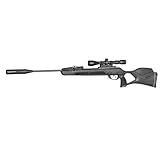
Gamo Swarm Magnum 10X GEN3i .22 Air Rifle
Raw power can look impressive on a product page, yet handling, noise, loading rhythm, and shooter comfort tell the fuller story. The Gamo Swarm Magnum 10X GEN3i combines a gas-piston powerplant, a ten-shot magazine, and a bundled variable-power scope in one hard-hitting break-barrel package. It does not belong in the same category as the best youth shotgun for dove hunting, because it fires a single .22-caliber pellet rather than a shotshell pattern. Its practical role sits closer to supervised target practice, plinking, and lawful small-game or pest-control use where local regulations permit.
Gamo Swarm Magnum GEN3i
The 10X GEN3i system is the feature that separates this rifle from an ordinary single-shot break barrel. Its horizontal inertia-fed magazine holds ten pellets and indexes the next round as the barrel completes a full cocking cycle. That arrangement cuts down on loose pellets, cold-finger fumbling, and repeated manual loading at the breech. The shooter still has to break and return the barrel before every shot, so this remains a manually operated rifle rather than a semiautomatic platform.
Magazine-fed operation brings a smoother pace to paper-target sessions. Ten pellets can be loaded before shooting begins, allowing attention to stay on breathing, sight alignment, and follow-through instead of tiny ammunition between every trigger pull. The horizontal magazine layout also keeps the mechanism closer to the receiver instead of stacking a tall assembly above the scope line. Even so, the extra feed parts create more complexity than a plain single-shot breech.
Pellet shape and seating can affect feeding. Damaged skirts, unusually long projectiles, or careless loading may prevent the magazine from rotating cleanly. A complete cocking stroke matters, too, because a rushed or partial cycle can interrupt indexing. The magazine rewards a steady routine, but it isn't foolproof, and forcing the action can turn a minor feed issue into damaged components.
The package includes one 10X GEN3i magazine, so misplacing it would immediately remove the rifle's repeating convenience. A conventional single-shot air rifle can continue operating without a detachable feed component. Here, the magazine becomes part of the normal shooting routine and deserves the same care as the scope or trigger mechanism. Keeping it clean and protected from dirt helps preserve reliable indexing.
Gas Piston Power And Velocity
The IGT Mach1 gas piston replaces the coiled steel spring found in traditional spring-powered air rifles. Gamo pairs it with a 33-millimeter cylinder and lists velocity up to 1,300 feet per second with lightweight alloy .22-caliber pellets. That figure represents a maximum under specific ammunition conditions rather than the speed of every pellet. Heavier lead pellets usually travel slower, and actual performance can vary with pellet fit, temperature, seals, and normal production differences.
Gas-piston operation removes the metallic spring twang heard in some break barrels. The firing cycle can feel cleaner and less buzzy, although it still produces noticeable forward and rearward movement. That two-direction impulse matters because it can loosen mounts or damage optics not designed for piston air rifles. High velocity and mechanical recoil arrive as a package here, not as separate concerns.
The rifle's power also increases the effort required to cock the barrel. Its long barrel provides leverage, but repeated cycles can become tiring during a long afternoon at the range. Smaller frames may struggle to control the muzzle while completing the stroke, especially once fatigue sets in. A ten-shot magazine speeds loading, yet it does nothing to reduce cocking force.
The .22-caliber pellet carries more mass than a typical .177-caliber projectile. That added weight can support stronger impact for lawful small-game or pest-control roles, but it also demands a substantial backstop. Thin plywood, cardboard, or a backyard fence should never be treated as adequate containment. Pellet energy and ricochet risk deserve more attention than the largest velocity number printed on the package.
Trigger Feel And Shot Control
Gamo's Custom Action Trigger allows separate adjustment of the first and second stages. The first stage controls the initial take-up, while the second stage shapes the final movement before release. A predictable break can help reduce last-second pulling and make group sizes easier to diagnose. Adjustments should stay within the limits described in the manual rather than chasing the lightest possible trigger.
Trigger tuning can't fix poor stock fit. A hand that has to stretch toward the blade will twist the wrist and pull the rifle sideways, no matter how crisp the second stage feels. The supplied details don't mention an adjustable length of pull, so compact dimensions shouldn't be assumed. Trigger reach and shoulder fit need hands-on attention before the power or magazine capacity becomes relevant.
Powerful piston rifles can be sensitive to hold technique. Gripping the fore-end too tightly, changing shoulder pressure, or resting the barrel directly against a hard support may shift the point of impact. A consistent, relaxed support method usually gives the rifle a fairer chance to group. The learning curve can be frustrating for someone expecting benchrest-like stability from the first magazine.
The firing impulse also makes follow-through matter. Lifting the head or relaxing the grip the instant the trigger breaks can disturb the shot before the pellet exits the barrel. The rifle rewards a steady sight picture through the entire cycle. Repeatable technique often contributes more to accuracy than another hundred feet per second of advertised velocity.
Scope And Recoil Reducing Rail
The included Gamo 3-9x scope gives the package a usable starting point for target work. Three-power magnification offers a wider field of view, while nine-power enlarges small aiming marks at longer distances. Higher magnification also exaggerates every wobble, making an unsupported position feel less steady. Moderate magnification may produce a calmer sight picture for routine practice.
The Recoil Reducing Rail is designed to soften the stress transferred to the optic. Magnum piston rifles produce a different recoil pattern from most firearms, and ordinary scopes may lose zero or suffer internal damage under repeated two-way movement. The rail addresses a real mechanical problem, although it cannot compensate for loose rings or poorly installed hardware. Mounting screws still need periodic inspection according to the manufacturer's guidance.
Package scopes usually involve some compromise. The bundled optic reduces initial setup cost, but expectations should remain realistic about low-light clarity, edge sharpness, and adjustment precision. It may serve routine paper-target work without matching the refinement of a dedicated air-rifle scope. Convenience is the main benefit, not an assumption that every optical component is built for demanding field use.
Scope height may affect cheek placement. The magazine assembly and rail can position the optic high enough that the head lifts from the stock to obtain a full sight picture. Small changes in cheek pressure can create vertical spread, especially at higher magnification. A repeatable head position matters as much as the magnification range printed on the scope.
Noise Reduction In Real Use
Gamo equips the rifle with Whisper Fusion noise dampening, its most substantial listed noise-reduction design. Internal chambers around the barrel help moderate the muzzle report compared with a bare magnum air rifle. The system reduces sound rather than removing it. Mechanical movement, pellet impact, and the gas-piston cycle remain clearly audible.
Lightweight alloy pellets may produce a sharper crack as velocity climbs. Heavier pellets generally move slower and may change the rifle's sound, recoil character, and grouping behavior. Pellet choice must still remain within the manufacturer's recommendations. Quietest in the Gamo line should not be confused with silent operation.
Buildings, fences, and enclosed shooting areas can reflect sound toward nearby properties. Sometimes the pellet striking a metal trap is more noticeable than the muzzle report itself. Local discharge rules may also restrict air rifles even where firearms are regulated separately. Noise reduction doesn't override ordinances, property boundaries, or basic courtesy.
Hearing protection remains sensible around a high-powered piston rifle. The shot may sound modest outdoors, but repeated exposure in a covered bay can become tiring. A lined pellet trap can help reduce impact noise without weakening containment. Safe range design matters more than relying on the moderator to keep everyone comfortable.
Practical Strengths
The ten-shot magazine is the clearest everyday advantage. It reduces handling of loose pellets and keeps a shooting string moving without changing the deliberate break-barrel routine. Cold weather, gloves, or a cluttered bench can make small pellets surprisingly awkward to manage. Preloaded magazine convenience removes much of that nuisance.
The gas piston is completely self-contained. There are no refill tanks, hand pumps, batteries, or CO2 cartridges required before each session. Once the magazine is loaded, the shooter supplies the energy through the cocking stroke. That independence simplifies transport, though it transfers all the physical effort to the person operating the rifle.
The adjustable trigger and recoil-reducing rail address two common frustrations found on powerful break barrels. A rough trigger can pull shots off target, while harsh recoil can damage an unsuitable scope or loosen its mounts. These features don't erase either issue, but they provide more room for proper setup. The included variable-power optic also means fewer immediate accessories are required.
The listed five-year warranty offers longer coverage than many basic air-rifle packages. Gamo states that the rifle is made in Barcelona, Spain, and the package includes the rifle, scope, magazine, and manual. Warranty length doesn't guarantee trouble-free ownership, but it provides a defined support window. Keeping the receipt and avoiding unauthorized modifications can prevent unnecessary warranty disputes.
Weaknesses And Tradeoffs
The rifle's biggest practical drawback is its physical demand. Magnum power usually brings heavier cocking effort, more pronounced firing movement, and a less forgiving shooting technique. The magazine shortens loading time but doesn't make the rifle easier to cycle. Power and ease of use don't automatically travel together.
The feed system introduces another possible failure point. Dirt, pellet damage, incomplete cocking, or a misplaced magazine can interrupt operation in ways a basic single-shot rifle avoids. A plain breech is slower, but it lets the shooter inspect and seat each pellet directly. The GEN3i design trades mechanical simplicity for speed and tidier ammunition handling.
The advertised 1,300 fps figure may pull attention away from practical accuracy. Lightweight alloy pellets can reach higher speeds, while heavier ammunition may group more consistently at lower velocity. Several pellet weights or profiles may need to be evaluated before the rifle shows its preferred load. Consistent grouping matters more than chasing the fastest possible number.
The supplied keyword also creates a serious category mismatch. This air rifle doesn't produce a shot pattern, use shotgun ammunition, or handle like the best youth shotgun for dove hunting. It cannot answer questions about choke selection, shotshell recoil, moving-bird leads, or shotgun stock fit. Presenting the two platforms as interchangeable would blur practical, ethical, and legal differences.
The contextual subject of turkey hunting shot placement involves separate equipment rules and wildlife regulations. The Gamo's .22-caliber power rating alone doesn't establish suitability for turkey hunting. Legal methods vary by location, and official regulations determine whether any air rifle may be used for a particular species. Product velocity claims should never replace those requirements.
Situations Where It May Not Fit
Casual plinking may not justify the weight, cocking effort, and power of this model. A lower-powered rifle can be easier to operate, quieter around a formal range, and less demanding of the backstop. The Swarm Magnum makes more sense where its energy and repeating magazine solve a real problem. Otherwise, the extra force can feel like baggage rather than a benefit.
Smaller shooters may also struggle with the fixed stock, long barrel, and repeated cocking motion. Lightweight pellets don't make the rifle itself lightweight or easy to control. Poor reach can lead to a twisted firing hand, raised shoulder, or unstable muzzle. Physical fit must come before velocity, especially during supervised instruction.
Backyard spaces with close neighbors or limited containment are another poor match. Whisper Fusion reduces sound, but the rifle still sends a high-energy pellet downrange. A weak backstop, hard surface, or uncertain boundary creates unacceptable risk. Compact property dimensions cannot be fixed by a quieter barrel assembly.
The bundled scope may eventually limit the package if its adjustments, glass, or mounting hardware don't meet the owner's expectations. Replacing the optic adds cost, while the unusual recoil cycle narrows the range of suitable alternatives. Magazine maintenance and pellet testing add further setup work. The rifle rewards patience and careful configuration, but it isn't a carefree grab-and-shoot platform.
Gamo Swarm Whisper .22 Air Rifle
Repeated cocking, loose pellets, sharp vibration, and a hollow stock can turn an easy afternoon session into more work than expected. The Gamo Swarm Whisper .22 Air Rifle tackles several of those annoyances with a multi-shot loading system, an inert-gas piston, sound moderation, and a synthetic stock built for changing weather. Still, it isn’t the best youth shotgun for dove hunting, since this is a pellet-firing air rifle rather than a shotgun designed to launch a legal shotshell pattern at flying birds. Its practical lane is controlled target shooting, recreational plinking, and lawful air-rifle use under close supervision and local regulations.
Gamo Swarm Whisper Air Rifle
The Swarm design reduces the constant handling of loose pellets that comes with a conventional single-shot break barrel. Its loading system holds multiple .22-caliber pellets and advances the next one as the barrel completes a proper cocking cycle. That setup keeps the shooting rhythm moving without changing the rifle into a semiautomatic action. Break the barrel, complete the stroke, and the magazine prepares the next pellet, provided everything is seated and operating correctly.
A repeating magazine is handy during paper-target sessions because attention stays on breathing, sight alignment, and follow-through rather than tiny ammunition after every shot. Cold fingers, gloves, and a cluttered shooting bench can make individual pellets surprisingly awkward to handle. The multi-shot mechanism cuts down that fuss while keeping each firing cycle deliberate. It also reduces the chance of dropping pellets into grass or gravel where they’re difficult to recover.
Mechanical convenience brings a tradeoff, of course. A simple single-shot breech has fewer feeding parts, while this system depends on a clean magazine, correctly shaped pellets, and a complete cocking motion. Damaged pellet skirts or rushed cycling may cause indexing trouble. Steady operation beats speed, especially when forcing the mechanism could turn a small loading problem into unnecessary wear.
The magazine itself becomes an essential piece of equipment. Losing or damaging it removes the feature that gives the Swarm its main advantage over a basic break barrel. Dirt should be kept away from the feed mechanism, and pellets shouldn’t be pushed into the magazine carelessly. A clean, protected magazine supports smoother operation and fewer interruptions at the range.
IGT Piston And Firing Behavior
Gamo replaces the traditional coiled spring with an IGT inert-gas piston. The company describes this system as providing higher velocity, reduced vibration, and a longer operating lifespan than a conventional spring powerplant. Gas-piston operation also avoids the metallic twang that some spring rifles produce after the trigger breaks. The result should feel cleaner mechanically, although the rifle still moves during firing.
Reduced vibration doesn’t mean zero recoil. Piston-powered air rifles generate a forward-and-rearward impulse that feels different from the rearward push of a firearm. That movement can affect scope mounts, shooting technique, and point-of-impact consistency. Repeatable hold pressure matters because clamping the stock tightly one shot and loosely the next can open groups.
The gas piston also stores the energy needed for each shot through the barrel-cocking motion. That makes the rifle self-contained, with no CO2 cartridges, batteries, scuba tanks, or hand pumps required. The catch is straightforward: the shooter supplies the effort every time the barrel is broken open. Cocking effort can become tiring during longer sessions, especially if arm strength or stock control is limited.
A powerful break barrel deserves a secure backstop even during casual plinking. A .22-caliber pellet carries enough energy to pass through light targets and ricochet from stone, metal, water, or other hard surfaces. Cardboard may hold a paper target, but it isn’t a final safety barrier. A rated pellet trap and a clear area behind it remain essential parts of responsible use.
Whisper Technology And Recoil Control
The barrel incorporates Whisper Technology to reduce the sharpness of the muzzle report. That can make the rifle less disruptive than an unsuppressed air gun of similar power. Sound moderation is useful around formal ranges, barns, or rural properties where unnecessary noise becomes irritating. Even so, “quiet” is relative, and the mechanical piston cycle plus pellet impact will still be heard.
The target surface often creates more noise than expected. A pellet striking a bare steel trap can produce a loud ring even if the muzzle report sounds subdued. Enclosed bays, covered porches, fences, and nearby walls may reflect sound back toward the firing line. Noise reduction doesn’t make the rifle silent, nor does it override local discharge rules.
The buttpad uses a Shock Wave Absorber intended to reduce the recoil felt against the shoulder. Its rubber surface can also help keep the stock from sliding on a jacket or shirt during the firing cycle. That added grip supports a more repeatable shoulder position. The pad softens contact, but it cannot remove the movement created by the gas piston.
Comfort depends on more than the buttpad. Length of pull, trigger reach, cheek position, and overall balance all shape how manageable the rifle feels. A stock that is too long can force the shoulder backward and stretch the trigger hand. Fit remains a limitation because the supplied description doesn’t mention adjustable stock dimensions.
Stock Design And Outdoor Practicality
The all-weather synthetic stock suits damp grass, dusty benches, and routine transportation better than a delicate polished finish. Synthetic material won’t absorb moisture or swell in the same way unfinished wood can. Mud and fingerprints also wipe away without much ceremony. That’s useful for a rifle expected to spend more time in a case, truck, shed, or range rack than hanging on a wall.
Black rubber inserts add grip around key contact areas. Sweaty palms or light rain can make smooth polymer feel slippery, so textured inserts help stabilize the firing hand and fore-end. They also break up the plain black appearance without adding decorative hardware. Practical grip matters more than cosmetic detail once the rifle has been handled for an hour.
The listed package dimensions are 47.7 inches long, 7.1 inches wide, and 2.7 inches high. Those figures describe the packaged product rather than confirming the rifle’s exact assembled length. Still, the long box suggests this isn’t an especially compact platform. Storage space, vehicle transport, and case selection deserve consideration before assuming the Swarm will fit into a short cabinet.
Weather resistance doesn’t eliminate maintenance. Steel components still need protection from corrosion, while the breech, pivot, magazine, and scope mounts require inspection for dirt or looseness. A synthetic stock can shrug off a damp morning, but the rifle shouldn’t be put away wet. Dry storage and routine cleaning remain part of ownership.
Shooting Rhythm And Accuracy Factors
The Swarm system creates a quicker loading rhythm, but accuracy still depends on patience. Each shot requires a full cocking cycle, careful barrel closure, stable hold, and deliberate trigger press. Rushing any of those steps can disturb the setup before the pellet leaves the barrel. Fast reloading doesn’t replace consistent technique.
Pellet selection can change how the rifle groups. Different head sizes, weights, and skirt designs may fit the barrel differently even though all are labeled .22 caliber. The product information provided doesn’t identify a preferred pellet, so experimentation may be necessary. Velocity alone shouldn’t decide the choice, since stable grouping and reliable magazine feeding matter more on paper.
Piston rifles can react poorly to rigid rests. Resting the barrel directly on a hard object or clamping the fore-end firmly may shift the point of impact. A supported but repeatable hold generally gives the action room to move the same way from shot to shot. That learning curve can frustrate anyone expecting effortless accuracy straight from the box.
Follow-through is equally important. Lifting the cheek, relaxing the shoulder, or moving the trigger hand immediately after release can disturb the rifle during its firing cycle. Holding the sight picture for a moment keeps the process consistent. Small technique changes become visible once several pellets are fired at the same aiming point.
Where The Category Mismatch Matters
This product doesn’t answer the equipment needs behind the best youth shotgun for dove hunting. A .22-caliber pellet rifle launches one projectile, while a dove shotgun uses an appropriate shotshell to create a pattern for flying targets. The sight picture, recoil behavior, legal rules, and shooting technique are entirely different. Treating the two platforms as substitutes would create confusion rather than solve a buying problem.
Dove hunting places heavy emphasis on shotgun fit, muzzle control, safe shooting zones, and the ability to track a moving bird. The Swarm Whisper is better suited to stationary targets and lawful air-rifle applications. It cannot demonstrate a shotgun’s pattern density, choke behavior, or shotshell recoil. Pellet accuracy and wingshooting performance belong to separate conversations.
A neutral reference on a different class of equipment appears in air assault rifles, though that category also requires careful distinctions between product design, power source, and legal use. The Swarm Whisper remains a break-barrel pellet rifle with a magazine-assisted loading system. Its appearance or repeating function doesn’t change the action type. Clear terminology helps prevent unrealistic expectations and unsafe assumptions.
Hunting laws can vary by species and location. A rifle powerful enough for one lawful air-gun role may still be prohibited for another animal or season. Product descriptions don’t establish legal methods of take. Official wildlife regulations remain the controlling source for any hunting-related decision.
Practical Strengths
The combination of a repeating magazine and a self-contained piston is the Swarm Whisper’s clearest strength. It reduces loose-pellet handling without adding external air tanks or disposable cartridges. Range preparation stays fairly simple because the rifle stores its power mechanically. Fewer support accessories can make transport and setup less cluttered.
Sound moderation and the recoil-absorbing buttpad address two common complaints associated with powerful break barrels. Whisper Technology softens the muzzle report, while the rubber pad reduces harsh contact against the shoulder. Neither feature removes noise or movement, but both make repeated shooting less abrupt. The benefit is practical rather than dramatic.
The synthetic stock also suits regular outdoor use. Moisture, dirt, and light scratches are less worrisome than they would be on a glossy wood finish. Rubber inserts provide a more secure hold as conditions change. Low-fuss exterior materials are helpful for equipment that won’t always stay in a climate-controlled room.
The IGT piston avoids spring fatigue concerns associated with leaving some traditional mechanisms under stress, though storage and handling should still follow the manual. Reduced vibration may also make the firing cycle feel less buzzy than a conventional spring rifle. That character can improve comfort during measured target sessions. The rifle still demands proper support and safe handling because its powerplant is far from mild.
Limitations And Ownership Tradeoffs
The repeating mechanism adds convenience but introduces more parts that can jam, collect dirt, or be misplaced. A plain single-shot breech is slower, yet its operation is easier to inspect at a glance. Magazine-fed break barrels trade simplicity for a smoother rhythm. Extra convenience carries extra maintenance.
Cocking effort may be a deal breaker for smaller frames or anyone with limited upper-body strength. The barrel must be controlled through the entire stroke, not yanked downward and released carelessly. Fatigue can also make safe muzzle management more difficult late in a session. A lightweight-feeling stock doesn’t guarantee easy operation.
The fixed stock design may create reach problems. Rubber inserts and a recoil pad improve grip and shoulder contact, but they don’t shorten the distance to the trigger. Poor fit can force an awkward head position and make the rifle feel heavier than it is. Hands-on fit matters before the magazine or sound-reduction features carry much value.
Whisper Technology may disappoint anyone expecting backyard silence. Mechanical noise, high pellet speed, and impact against a trap remain audible. Nearby homes and hard surfaces can make the sound more noticeable than it seems at the firing point. Local rules may prohibit discharge regardless of the rifle’s noise rating.
The platform also requires patience with pellet selection and hold technique. A pellet that feeds smoothly may not group as well as another shape, while a tight rest can produce worse results than a consistent supported hold. Those variables add time to setup and practice. The Swarm Whisper favors careful tuning, not hurried shooting or casual assumptions about accuracy.
Bear River TPR 1200 Pellet Rifle
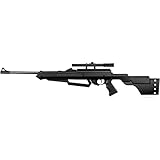
A long barrel, bundled optic, and bold velocity figure can make a pellet rifle look more approachable than it really is. The Bear River TPR 1200 combines a spring-piston break barrel, an 18-inch rifled steel barrel, and two sighting options in a package aimed at deliberate target work and lawful small-game use. It is not the best youth shotgun for dove hunting, since it fires one .177-caliber pellet rather than a shotshell pattern intended for moving birds. Its useful qualities deserve attention, but only within the correct equipment category and with realistic expectations about recoil, cocking effort, noise, and range safety.
Bear River TPR 1200 Air Rifle
The rifle follows a traditional single-shot break-barrel design. The barrel pivots downward to cock the spring piston and expose the breech, where one pellet is seated before the barrel closes. That routine is slower than magazine-fed air rifles, but it keeps the mechanism fairly straightforward. Each loading cycle also creates a natural pause for checking the backstop, muzzle direction, and shooting position.
Single-shot operation means there’s no detachable magazine to lose, damage, or load incorrectly. Pellet placement remains visible at the breech, which can make damaged skirts or poorly seated ammunition easier to notice. On the flip side, handling one small pellet after every shot becomes tedious in cold weather or on a cluttered bench. Mechanical simplicity trades speed for control, and that trade suits measured practice better than rapid plinking.
The product description presents the rifle for target shooting and small-game hunting. Those roles require different standards even though they use the same equipment. Paper targets only need a clear firing lane and a properly rated trap, while hunting introduces legal seasons, species rules, humane-range limits, and accurate shot placement. Advertised power doesn’t establish legal suitability for any particular animal or location.
The TPR 1200 is described as an adult air rifle, which matters more than the casual wording around shooting fun. A long action, repeated cocking motion, and spring-piston recoil may be difficult for smaller frames to manage safely. Physical fit should never be inferred from caliber alone. A .177 pellet is small, but the rifle launching it can still be long, demanding, and capable of serious injury.
Spring Piston Performance
The powerplant uses spring-piston technology, a familiar system that stores energy in a compressed mechanical spring. Breaking the barrel cocks that spring, and pulling the trigger releases it to drive the piston forward. No CO2 cartridges, compressed-air cylinders, pumps, or batteries are needed. That self-contained design keeps supply requirements simple, though every shot depends on the operator completing the cocking stroke.
Spring-powered rifles have a distinct firing cycle. The piston moves forward abruptly, creating vibration and a two-direction impulse rather than the simpler rearward push associated with many firearms. That movement can affect the scope, mounts, grip pressure, and point of impact. Consistent technique matters, because small changes in how the fore-end is supported may spread pellets across the target.
The product information describes a smooth trigger pull, which can help the shooter press the trigger without disturbing the sight picture. No trigger weight, stage arrangement, or adjustment range is provided, so those details shouldn’t be assumed. A smooth pull can still feel heavy, long, or different from one individual rifle to another. Trigger control improves with patient practice, not with aggressive modifications outside the manual.
Cocking effort isn’t specified either. Higher-powered spring rifles commonly demand more leverage than mild backyard plinkers, and repeated cycles may tire the arms and shoulders. Fatigue can lead to hurried barrel closure, unstable muzzle control, and careless posture. Physical effort is a real ownership cost, even though it won’t appear beside the velocity number.
Velocity Claims And Pellet Choice
Bear River lists speeds up to 1,300 feet per second with premium pellets. The wording matters because maximum velocity usually depends on lightweight ammunition and favorable conditions. Standard lead pellets may travel considerably slower, depending on their weight, fit, and design. That difference doesn’t automatically make the heavier pellet worse.
Fast pellets can produce a flatter trajectory across modest distances, but raw speed is only one part of useful performance. A lightweight pellet that groups poorly offers little practical benefit over a slower pellet that lands repeatedly near the aiming point. Barrel preference, pellet head size, skirt condition, and hold consistency all influence results. Accuracy and repeatability outrank headline velocity during real target work.
The rifle accepts .177-caliber, or 4.5 mm, pellets. That caliber offers a wide selection of shapes and weights for paper targets and lawful pest-control situations. Flat-nose pellets may cut cleaner holes in paper, while domed designs are often associated with retaining stability over distance. The supplied details don’t identify a preferred load, so some controlled testing may be needed.
Pellet testing should remain organized rather than turning into guesswork. Groups fired from the same safe position can reveal whether one pellet shape behaves more consistently than another. Changing ammunition, hold pressure, scope settings, and rest position all at once makes the results nearly meaningless. A simple shooting log helps separate equipment behavior from technique errors.
Barrel And Sight Options
The 18-inch rifled steel barrel gives the pellet spin as it travels through the bore. That spin supports stable flight when the pellet fits the barrel correctly. The barrel also provides leverage during cocking, though its length contributes to the rifle’s overall footprint. A longer package can feel steady on a rest but cumbersome in tight storage spaces.
The rifle includes adjustable fiber-optic sights, providing a useful alternative to the bundled scope. Bright sight elements can be easier to acquire against darker targets and varied outdoor backgrounds. They also keep the rifle simpler and lighter than a scope-only setup. Fiber optics don’t magnify the target, so smaller aiming points may become difficult as distance increases.
A 4x32 rifle scope with covers is included. Fixed four-power magnification removes the need to manage a zoom ring and offers enough enlargement for many paper-target situations. The 32 mm objective keeps the optic reasonably compact, although it won’t provide the same low-light view as a larger lens. Fixed magnification favors simplicity, not maximum flexibility.
Bundled optics usually represent a practical starting point rather than the final word in clarity or adjustment precision. Spring-piston recoil can also punish scopes and mounting hardware that aren’t suited to its unusual movement. Zero should be monitored for unexplained shifts, and screws should be checked according to the product manual. Loose hardware can look like poor ammunition or bad technique until the mounting problem becomes obvious.
Rail Space And Accessory Limits
The rifle provides a six-inch Picatinny rail for mounting the included scope or another compatible accessory. Picatinny slots create repeatable mounting positions and support a broad range of rings. Six inches offers useful room, though eye relief and ring spacing still determine whether a particular optic fits comfortably. Rail length alone doesn’t guarantee proper head position.
Scope height affects how naturally the cheek rests against the stock. An optic mounted too high may force the head upward, creating inconsistent eye alignment and vertical spread on the target. Rings that sit too low can cause contact between the scope and rifle. Comfortable alignment matters more than an aggressive appearance.
The rail may tempt owners to add extra equipment, but additional weight changes balance. Large optics, lights, or other accessories can make the rifle feel heavier toward the receiver or fore-end. Every added component also introduces screws that may loosen under spring-piston movement. A clean setup often proves easier to maintain than a rail packed with hardware.
A neutral example of another air-rifle platform appears in gamo viper air rifle, though model differences in powerplant, handling, and sight configuration still need to remain clear. The TPR 1200 should be judged by its own spring-piston action and provided features. Similar product categories don’t guarantee identical recoil behavior or accessory compatibility. Clear distinctions prevent expectations from drifting beyond the supplied specifications.
Grip And Shooting Comfort
The product description highlights a comfortable grip intended to help the shooter settle into position. Grip shape affects trigger reach, wrist angle, and the ability to hold the stock without twisting the rifle. A comfortable hand position can make deliberate trigger presses easier to repeat. No stock dimensions are provided, however, so actual fit remains uncertain.
Comfort also depends on the distance from the butt to the trigger. A grip may feel pleasant while the stock itself remains too long, forcing the shoulder backward and the firing hand forward. That stretched position weakens control and makes the rifle feel heavier. Stock fit cannot be confirmed from grip texture alone.
The long barrel may place noticeable weight ahead of the supporting hand. Front weight can steady slow shots from a bench, but it can tire the arms during unsupported use. As the muzzle begins to dip, the shooter may compensate by tightening the grip and pulling shots away from the aiming point. Rest breaks help preserve both accuracy and safe handling.
A spring rifle also tends to prefer a repeatable hold rather than a crushing grip. Clamping the fore-end hard against a rigid rest can change how the action moves during firing. A stable but consistent support often produces more useful groups. The exact technique still depends on the rifle, rest, and range setup.
Practical Strengths
Self-contained power is one of the TPR 1200’s strongest practical benefits. The rifle doesn’t depend on disposable gas cartridges or separate filling equipment. Pellets, a safe target system, and routine maintenance supplies cover most of the ongoing needs. That simplicity can make storage and transport less cluttered.
The two sighting systems add flexibility without requiring an immediate accessory purchase. Fiber-optic sights keep the setup light and straightforward, while the included 4x32 scope provides magnification for smaller aiming points. Scope covers offer basic protection during storage. Multiple sight options let the rifle remain usable if the optic is removed or needs adjustment.
The rifled steel barrel and spring-piston action rely on familiar mechanical principles. Fewer feed components mean fewer magazine-related interruptions during normal shooting. Each pellet can be inspected before it enters the breech. That direct loading process is slower, but it gives the operator clear control over every round.
The Picatinny rail also supports easier ring placement than a narrow un-slotted rail. Compatible mounts can lock into defined cross slots, helping resist movement under recoil. Proper installation still matters, since spring-piston vibration can loosen careless setups. Rail compatibility is useful, but it doesn’t replace routine inspection.
Weaknesses And Tradeoffs
The single-shot action creates the clearest daily inconvenience. Every pellet requires opening the barrel, cocking the piston, loading the breech, and closing the action. That repetition interrupts the shooting rhythm and becomes physically tiring over time. Simple operation is not the same as effortless operation.
The advertised velocity may also encourage unrealistic expectations about range. A pellet can travel far beyond the distance where the rifle, ammunition, and shooter can maintain reliable accuracy. Lightweight premium pellets may reach the highest speed while grouping differently from heavier alternatives. Ethical and safe use requires accepting the distance where repeatable hits begin to fall apart.
The included scope may become a limiting component. No information is provided about its adjustment units, eye relief, optical coatings, or spring-airgun rating. Those omissions don’t prove poor performance, but they leave uncertainty around long-term durability and precision. A drifting zero may require mount inspection before the optic itself is blamed.
The fixed stock can also be a poor match for shorter arms or limited upper-body strength. A comfortable grip and fiber-optic sights cannot solve excessive trigger reach or difficult cocking effort. Package dimensions and rifle dimensions aren’t supplied, so compact handling shouldn’t be assumed. Hands-on fit remains a major unknown.
Why It Is Not A Youth Dove Shotgun
The product category conflicts directly with the phrase best youth shotgun for dove hunting. This rifle fires one .177-caliber pellet, while dove shotguns fire shells containing multiple pellets that spread into a pattern. Those projectiles behave differently, require different aiming methods, and fall under different hunting regulations. Calling the TPR 1200 a shotgun alternative would be technically and practically misleading.
Wingshooting depends on tracking a moving bird, maintaining a safe swing, and placing a legal pattern ahead of the target. A scoped pellet rifle is built around deliberate aiming at a stationary or nearly stationary point. The included 4x32 optic further emphasizes that difference. Precision pellet shooting and dove shooting require separate skills.
Dove-hunting equipment also raises questions about gauge, choke, shotshell payload, stock length, and repeated recoil. None of those factors can be evaluated through the TPR 1200’s caliber, scope, or spring piston. The rifle’s comfortable grip doesn’t predict whether a shotgun will mount properly. Mixing the categories would leave the actual dove-hunting problems unanswered.
Wildlife laws decide whether an air rifle is legal for a specific species, season, and location. A product description that mentions small game cannot override official methods-of-take rules. The same principle applies to property restrictions and local discharge ordinances. Legal classification and safe handling matter more than broad hunting language on a retail listing.
Situations Where It Falls Short
Small spaces with weak backstops are a poor fit for a rifle advertised at high velocity. Cardboard boxes, thin boards, and residential fences cannot be trusted to contain pellets safely. Hard surfaces may cause unpredictable ricochets. A rated trap and secure downrange area are necessary even during casual target sessions.
Frequent plinking may expose the limits of the break-barrel routine. Repeated cocking can become tedious, especially during long strings where a magazine-fed pneumatic rifle would require less physical effort between shots. The TPR 1200 favors a slower pace. Anyone expecting rapid follow-up shots may tire of its manual cycle.
Low-light shooting may also reveal limits in both sighting options. Fiber optics need usable ambient light, while a basic 4x32 scope may offer only modest brightness as conditions fade. The provided information doesn’t describe illuminated reticles or specialized low-light coatings. Responsible shooting should stop whenever the target and background can’t be identified clearly.
Physical fit remains the last major uncertainty. The product details describe the grip but omit weight, length of pull, and cocking force. Those missing measurements can determine whether the rifle feels controlled or awkward. The strongest specifications lose value if the stock, barrel, or action cannot be handled safely throughout a full session.