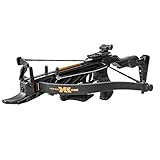
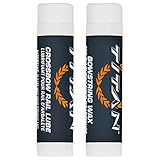
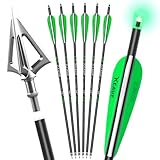
Yes, most states allow crossbows during rifle season. You just have to follow firearm rules, carry the right tag, and wear bright blaze orange safety gear.
Standard rifle scopes lose zero under string recoil. Pick a shock-rated scope with yardage drop lines matched to your arrow speed and clear low-light glass.
Shoot your crossbow from a steady rest at 20 yards, turn dials the right way to hit dead center, and tune distance lines without losing or breaking arrows.
Swap your optic for transport or iron sights without losing zero. Match recoil lug lockup, ring height, and quick-detach levers to keep every shot on target.
Zero your crossbow scope at 20 yards without wasting arrows. See which way to turn each dial, shoot tight groups from a rest, and calibrate your yardage lines.
Fast launch speeds do not mean flat flight. See how limbs deliver power, why arrows lose speed past 30 yards, and how arrow weight shapes punch on impact.
Hunting crossbows over 500 mm are legal in Canada without a gun license. Provincial game laws and border customs set rules for imports and archery seasons.
Factory speeds drop with heavier hunting bolts. Compare real flight speeds across Killer Instinct models to dial in your scope ring and avoid missed shots.
Unload a Killer Instinct crossbow safely using a discharge arrow or crank system, and avoid manual rope let-downs that cause dry fires or hand injuries.
High crossbow speeds cause premature blade opening and bolt drift. Choose 125-grain broadheads engineered to stay locked in flight and hold field-point zero.
Protect your limbs from dry fires and shoot tighter groups by pairing 20-inch crossbow arrows with the right nock style, vane clearance, and grain weight.
Compound crossbows fit tight tree stands with narrow limbs, while simpler recurves let you change strings in the woods. Pick the right build for your hunt.
Tame violent launch speeds and wind planing. Match your setup with crossbow-rated heads that stay locked in flight, hold field-point zero, and punch deep.