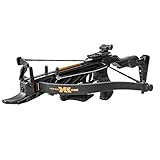
Ravin crossbows are not defective, but extreme power makes simple errors severe. Proper arrow clicks and keeping fingers below safety wings prevent injury.
Match bow size to blind space, weigh cocking effort against shoulder strain, and balance arrow speed with string wear to pick the right setup for your hunt.
A Ravin pays off for tight ground blinds and easy cocking, but custom arrow costs and dealer restringing mean casual hunters should skip the steep upgrade.
Top models reach 470 feet per second, but heavy hunting arrows reduce speed. High velocity hits hard, though it increases string wear and target damage.
Tilting your Ravin throws arrows off target. Move your bubble level forward or use a rail mount to keep it in view without lifting your cheek off the stock.
The R10 stands out for light 12-pound hand cranking, steady aiming, and safe uncocking that spares your shoulders when unloading in a tight tree stand.
Modern hunting crossbows reach 460 to 500 FPS, but heavier arrows reduce speed. Balance flatter flight against extra noise, string wear, and cocking strain.
Changing Ravin crossbow strings requires a specialized press to prevent slips. Follow safe steps to compress limbs, route cables, and set cam timing properly.
Crossbows with built-in cranks take the least physical effort, turning heavy string tension into a smooth handle turn to prevent shoulder and back strain.
Ultra-narrow frames and safe crank decocking justify the steep cost in tight blinds, but standard bows work just as well for timber shots inside 35 yards.
A built-in crank makes Ravin crossbows easy to cock and de-cock without back strain, but strict arrow rules and proper handling are vital to avoid damage.
Keep your fingers below the track, align the odd feather down, and push the arrow firmly against the string to avoid dry fires and keep your hands safe.
Yes, you can spray paint a crossbow stock, but keep paint off the strings, arrow track, pulleys, and trigger box to prevent sticky releases or gear failure.
A crossbow is front-heavy, loud, and tricky in tight blinds. Prepare for true archery range limits, slow reloads, and limb clearance before heading out.
Crossbows offer instant accuracy in short emergencies, while traditional bows win for long-term survival thanks to simple field repairs and handmade arrows.
The factory scope stays sighted in and tracks drop to 100 yards, but dim light at dusk shows its limits. See how it handles real hunts before upgrading.
Fix stubborn hunting habits by treating the deer season like distinct eras. Rehearse your shot process, read deer body language, and pivot when stands go cold.
Crossbows use shooting strings or compound cables made of Dacron or rigid modern fibers. Match the right style and material to keep your limbs and cams safe.
A crossbow can stop an intruder, but slow reloads, wide limbs in tight hallways, and unsafe storage make hunting gear an impractical home defense choice.