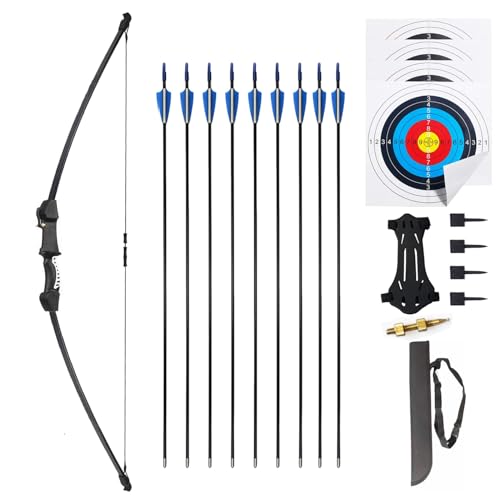
Bowfishing arrows use solid fiberglass or carbon shafts with steel points, giving them the weight to punch into water without shattering on river rocks.
Stop arrows from scattering by locking in a consistent touch spot on your face, then line up your target cleanly using a pin sight or the arrow tip itself.
Most archery seasons end between late December and late January. Check your state hunting zone and final shooting hours so you never hunt past the deadline.
Carve a wooden stock, file a straight arrow track, and assemble a basic trigger catch at home using garage tools and safe limb tension that will not shatter.
Find your dominant eye, measure your arm span for draw length, and pick a light draw weight to avoid shoulder strain when buying your first archery bow.
Keep stray arrows contained and protect your neighbors. Choose an isolated shooting lane, hang a reliable backstop, and set safe boundaries in your yard.
You do not need to be an expert archer to teach. Pick the right program for camps or schools, finish the safety course, and learn to run your first range.
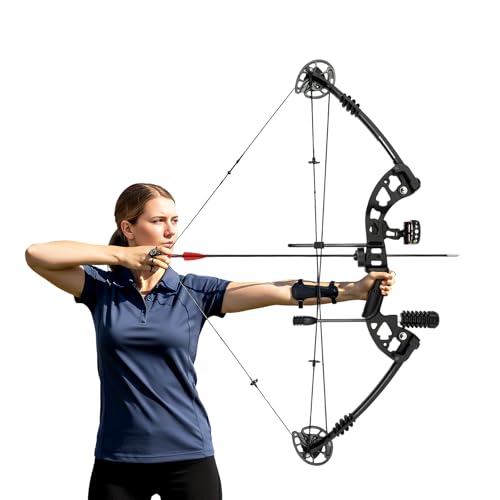
Archery does not have to be expensive. Plan a realistic starter budget, compare recurve against compound setups, and see what you actually need to buy first.
Find a safe shooting space, get affordable liability insurance, and set range rules to launch a local archery club without taking on personal legal risk.
Try a rental lesson at a local range before buying equipment. Check your aiming eye, practice with a light bow, and learn safe form without wasting money.
Build a safe shooting lane at home with a solid backstop, measured practice distances, and clear boundary zones to keep every arrow inside your property.
Craft a safe wooden bow at home using basic hand tools. Pick straight-grained wood, carve even limbs, and balance the bend slowly so the wood will not snap.
Set up a backyard shooting lane that keeps stray arrows contained. Check local rules, build a reliable backstop, and set safe buffer zones for home practice.
Build a simple wooden frame and pack it with scrap fabric to safely stop practice arrows, prevent dangerous pass-throughs, and allow easy two-finger removal.
Most kids can handle a real bow around age 7 or 8, while adults can start anytime. Check physical strength and focus signs to pick the safest starter bow.
Archery builds patience and focus in kids while staying very safe. Decide if your child is ready, avoid arm bruises, and choose the right beginner bow.
Archery builds upper back strength, improves posture, and sharpens mental focus. It is safe for joints as long as you start with light pulling resistance.