Align your sight with the rifle barrel at 25 yards using a simple visual check or a laser tool. Save ammo and land your first shot cleanly on the paper target.
Sight distance means the gap between your iron sights or your downrange zero with a red dot. Sort out the terms so you can position your optic and aim true.
Fix a twisted bow peep sight by nudging the D-loop, sliding in a tuner, or resetting the tube so you get a clean view of your target on every full draw.
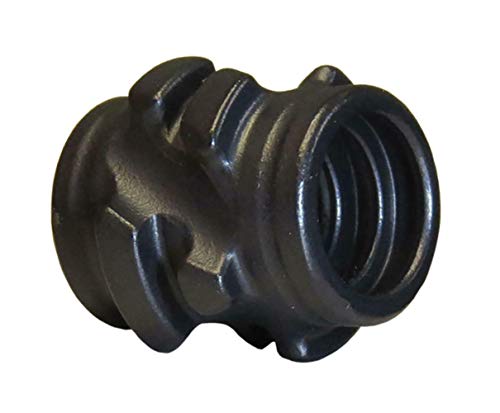
A dovetail sight uses an angled base that slides sideways into a matching wedge slot. See how it locks tight and how to verify your cut before upgrading.
A sight pusher is a screw clamp that presses pistol sights into place with steady force, preventing the scratched slides and broken vials caused by hammers.
A bore sight shines a laser down your barrel to align a red dot before shooting. See how it saves ammo at home and why you still need a few shots at the range.
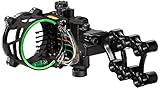
A dovetail bow sight uses a sliding rail to tune eye distance, align your peep, and detach for travel. Decide if the flexibility beats a lighter direct mount.
Zero a scoped rifle at 100 yards or a red dot at 50 yards for the most practical accuracy. Pick the right target distance and stop wasting ammo at the range.
Line of sight is your straight visual path to the target, unlike a bullet's curved flight. See why close shots hit low and how sight height changes your aim.
See your iron sights through the red dot glass so you can still aim if the battery dies. Compare absolute and lower-third heights to keep your view clear.
Sight alignment means centering the front sight in the rear notch with level tops and even side gaps. Focus on the front post to stop shots from drifting.
A laser sight shines a colored dot directly onto your target. See how it differs from glass red dots, how red and green beams compare, and if you need one.
A fiber optic sight uses a light-gathering plastic rod to make a bright aiming dot without batteries, but it needs daylight and cannot glow in pitch black.
Tritium sights use self-glowing gas vials to light your aim in total darkness without batteries. They are completely safe to carry and glow for over a decade.
Night sights use glowing dots to help you align your aim in the dark without batteries, but they will not light up your target or replace a flashlight.
An ACOG is a fixed-power prism scope lit by daylight and glowing material instead of batteries, giving you magnified aim where a standard red dot falls short.
A telescopic sight is just the formal term for a rifle scope. See how its lenses bring targets into focus and whether you need zoom or a simple red dot sight.
A gas block front sight mounts directly over the barrel. It must be metal to survive intense heat, with the exact height needed to align and zero properly.