
Hi, I'm an avid air rifle and hunting enthusiast. I love spending time outdoors and enjoying the sport of hunting. If you're looking for someone to talk to about air rifles and hunting, I'm your guy. Feel free to shoot me a message.

Night sights use glowing dots to help you align your aim in the dark without batteries, but they will not light up your target or replace a flashlight.

A prism sight uses etched glass instead of a standard red dot. It stays sharp for eyes with astigmatism and keeps working even if your battery dies.

A ghost ring sight uses a wide rear opening that blurs as you aim, letting your eye center the front post naturally. See how it works and when to use one.

A collimator sight uses curved glass to project an aiming dot that stays on target. Understand how it works and why common red dots are the same tool.

An RMR is a compact red dot sight and a standard mounting screw pattern. See how the optic shape and slide cut work together to verify pistol fit.

Adjust and zero your laser sight safely. Locate the two adjustment screws, make gentle turns to shift the beam, and avoid stripping delicate internal threads.

Turn the top screw for up-and-down aim and the side screw for left or right. Learn which way to rotate dials to zero your shots without wasting range ammo.

Turn your EOTECH side dials with a coin to shift bullet impact half an inch per click at 100 yards. Zero your sight fast without guessing or wasting ammo.

Correct off-target Mosin-Nagant shots by tapping the front sight for left-right aim, fixing high hits, and adjusting iron sights without scratching the metal.
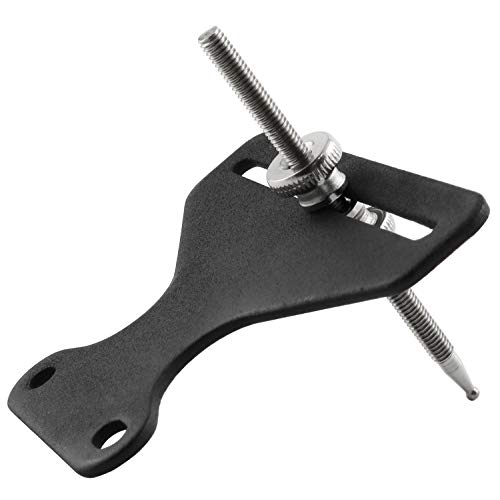
Zero your 20-yard pin first, then center the alignment dot to your natural anchor. Here is how to adjust your pins and stop hand torque from pulling shots.

Zero your pin at 20 yards, mark the dial at 40 or 60, and pick the right yardage tape without moving your sight the wrong way or running out of travel.

Fix peep rotation by twisting your D-loop or using a string spacer, and nudge peep height safely at home without prying strands or risking string damage.
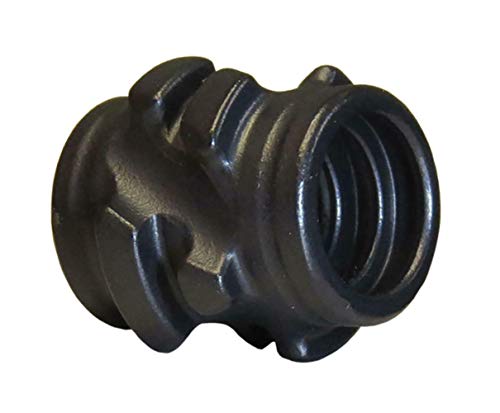
Straighten a crooked peep sight at full draw by nudging your D-loop, adding a string spacer, or putting half a twist in the bowstring with a press.

Sight in at 100 yards for a scope or 50 yards for a red dot. Choose the best target distance for your setup to stop missing high or low and save ammo.
Zero your pistol at 15 to 25 yards and rifles at 36 or 50 yards to keep trajectories flat, eliminate confusing holdovers, and stop wasting range ammunition.
Match your Beretta APX, A1, or Carry slide to the correct optic footprint. Pick a red dot that mounts flush, withstands 9mm recoil, and reliably holds zero.
Avoid slide overhang and bulky adapter plates on your Sig P365. Fit a flush micro dot that holds zero under recoil and changes batteries without unmounting.

Always chase the arrow: move your bow sight pins toward where arrows land, not the bullseye. Lock in your 20-yard mark first to keep every shot on target.
A 3/16-inch sight hole keeps low-light views bright for hunting, while smaller sizes sharpen target aim. Match hole size and string angle for a clear view.

The best pistol laser stays aligned through live recoil and fits your rail securely. See when to choose green over red, and avoid sights that shift off target.










